How to Sell Your Used Machinery

How to Sell Your Used Machinery

There are many different reasons why you may want to sell your equipment. At Vander Ziel Machinery, we are always looking to buy. Here is what you should know about our purchasing process and more:

Reasons To Sell 

Many industries can benefit from selling their equipment to us for many different reasons. Your business may need to upgrade machinery and may not know where to sell your equipment. You could simply need the cash for the equipment you don’t use. Another reason to sell your equipment is to get more floor space by removing old equipment. If you are closing up shop, and no longer need your equipment you may want to consider selling your equipment. All of these reasons are valid, and we can help.  

The Selling Process 

Our selling process is simple to follow. Here are the steps you need to follow to sell your machinery: 

  1. Call Vander Ziel Machinery or fill out this form
  2. Send pictures of your machinery.
  3. Receive a quote from us. 
  4. Schedule a pickup time. 

We understand that selling equipment can be time-consuming and we want our customers to feel at ease when you work with us. That’s why we keep our selling process simple – so that you can focus on other parts of your business. It’s quick, easy and you’ll gain more space in your shop just like that! 

What We Offer 

When you sell your equipment to us, we offer several different options. We offer fair cash prices for machinery and risk-free purchases. We also offer trade-ins for those who are interested in upgrading their machinery. A trade-in can reduce the cost of new equipment. At Vander Ziel Machinery, we can also help you if you are closing down your entire plant. We are happy to purchase machinery from plants or from those who are thinking of liquidating. Our team understands that confidentiality is key in these situations. To learn more about what we offer, contact us! 

Reasons To Sell to Us 

Selling your equipment to the right purchaser can make or break your experience. We offer fair prices and hope that you continue to come back if you ever need to sell other equipment and/or purchase new equipment. Here are some reasons why you should consider selling your machinery to us: 

  • Our prices are fair when selling your equipment to us. 
  • Our team can deliver your new equipment to you during/after picking up your trade-in machinery.
  • We can remove your old machinery quickly using our in-house rigging and trucking.
  • We do not broker the equipment you sell to us. 
  • We purchase all types of machinery at various levels of quality. 
  • We purchase machinery to put back into our warehouse. 
  • We will purchase single items, multiple items or entire plants. 

These are just a few of the many reasons to consider selling your machinery to us. We have been in the industry for over 25 years and understand the issues that can come from selling equipment. We want our customers to go through the process with us and come out better in the end. 

Contact Us

If you are considering selling one or multiple different pieces of machinery, we can help! Our selling process is simple and fair. We understand that it can be time-consuming, so we have made it EASY for you. We offer a quick and simple selling process and offer trade ins. After selling your machinery, you can purchase new machinery from us or browse our used section. Our clients come from various industries, so we offer equipment from various industries. To learn more about the machinery we carry and the process of selling or purchasing, reach out to us!

Who is Standard Modern

Who is Standard Modern? VanderZiel Machinery has looked high and low for a lathe manufacturer in the United States, the closest we could come is a combination of American and Canadian made. We have personally visited the production of Standard Modern, and can attest to their locally made, quality products! Standard Modern lathes have an incredible feature we have never seen before in our 30 years!

History
Standard Modern was founded in 1931 as Standard Machine & Tools. It was founded by several partners in Windsor Ontario (which may seem like a long way away but Windsor is only 2 hours from Vander Ziel Machinery!) In 1955, Standard Machine & Tool and another company named Modern Tool Works was purchased by a British company. The new company was named Standard Modern Tool Company Ltd. and started operation in Toronto, Ontario.

The ownership has changed and today is owned by Racer Machinery. Though since the very start, Standard Modern has prided itself with providing high quality products with local workmanship.

Where is it Made?
The hot topic with machine tool manufacturers today, is where does the casting come from? Standard Modern is one of the few manufacturers who can say their castings come from the United States and Canada. In addition, those castings travel to their location in Toronto, Ontario and are machined in house to create the final product, a high quality, precision, heavy duty lathe. Standard Modern works hard to cultivate local relationships with casting suppliers to ensure that they will continue to be able to locally source the castings.

Unique Features
Standard Modern lathes can be found all over North America, they are primarily used in high precision environments, machine shops, technical colleges, and the military in both U.S. and Canada. In addition, if you are doing a lot of threading, a Standard Modern lathe is for you! Check out our video to see it in action: Video

Vander Ziel Machinery believes that Standard Modern is a great resource if you are looking for a high-quality machine. We were genuinely impressed with the quality, as seen in our video the 2080 lathe can take .006” off without any significant chatter or sacrificing quality. In addition

So what do you need to know?

  • Made in North America.
  • Swing Sizes: 13”, 14”, 18”, 20”, & 26”
  • Distance between Centers: 34”, 40”, 60”, 80”, 100”, 120”
  • All lathes come standard with the threading capability. (See our demo video).
  • Industry leader with a 2-year warranty.
  • Manuals & Parts are readily available.
  • Military Grade Models are also Available.
  • Vander Ziel Machinery is the only stocking distributor in the United States.
  • Many accessories and options are available.

Contact us if you have questions or would like more information on these lathes.

Let us know what you think? We have taken a lot to time to research the brands we represent. If you have thoughts or suggestions, we would love to hear them!

Lathes In Stock @ Vander Ziel Machinery!!

How to Choose the Right Ironworker?

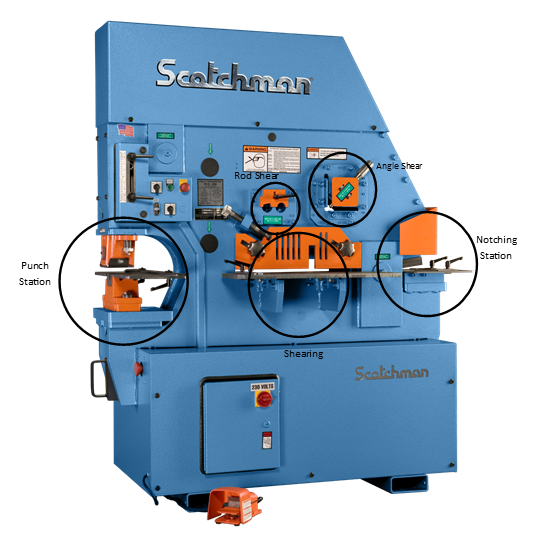
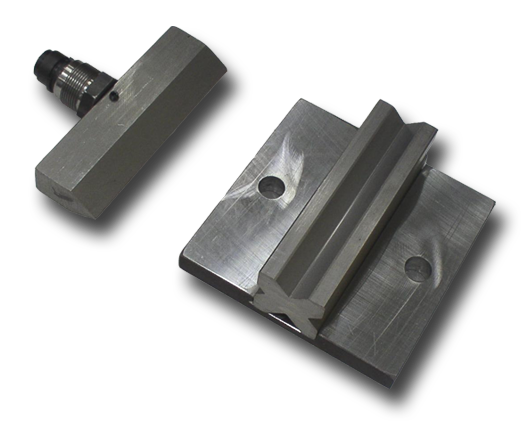
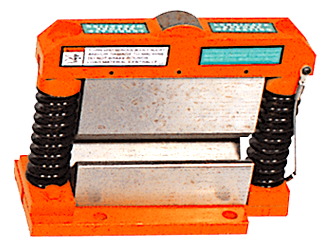
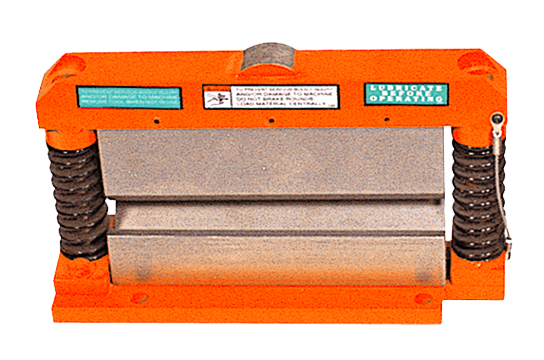
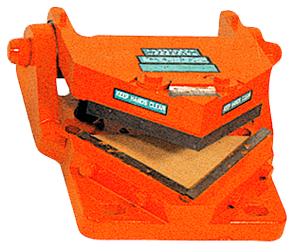
Do you have a Swiss army knife of machines in your shop? An ironworker is a very versatile robust machine that could save you a lot of time and valuable shop space. Do you need to punch holes on occasion? Shear less than 12” flat stock? Shear an angle? Notch a part? A single machine can replace several in your shop. Most ironworkers can punch, shear, notch and bend anything from steel plate to angle iron! In addition, there are many accessories that can increase capabilities with rod, round & square bar stock, channel iron, I-Beam and pipe. After purchasing an ironworker, our customers say they don’t know what they would do without one.

The Basics
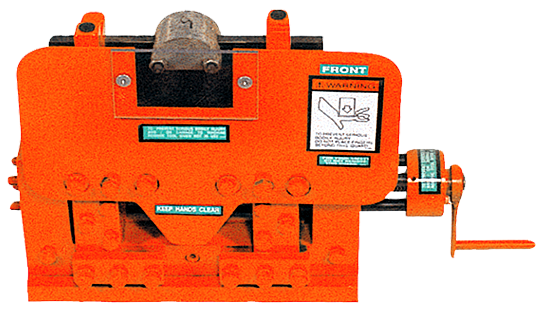
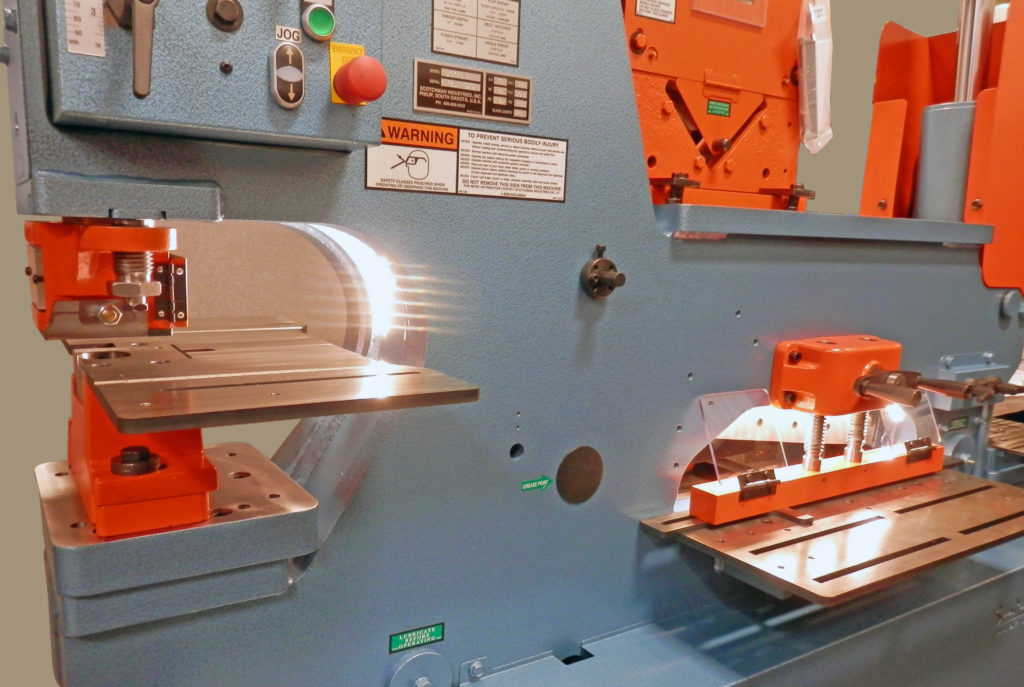
So, you want to start looking at an ironworker? Where do you start? First, most entry level ironworkers are single operator ironworkers. This means that a single motion controls both sides of the ironworker so it is only practical to have one fabricator using the ironworker. Whereas a higher production ironworker is a dual operator, so an operator can be at each end of the ironworker and the motion at each end works is independent of each other. (The ironworker pictured is a single operator)

Capacities
Next, ironworkers are rated by tonnage. This is the tonnage of the punch station, for example a 40-ton ironworker can punch a 1” hole in ½” material. While an 80-ton ironworker can punch a 1” hold in 1” material. Generally, the rest of the capabilities increase with the size of the ironworker but there is no standard that a 40-ton ironworker will by default shear a ½” x 4” piece while an 80-ton will shear 1” x 6” flat stock. So always check the capability for the processes you need in an ironworker. In addition, compare different brands and styles of ironworkers by their capabilities in the stations you need, not just the overall tonnage of each machine. Another consideration is to be aware; some ironworkers are rated in metric tons which is 2,200 lbs. instead of the U.S. ton is 2,000 lbs. Our new and used ironworkers are organized by tonnage.

Your Application
Keep in mind the type of material you are punching; most capabilities are rated at mild steel with 60,000 – 65,000 pounds of tensile strength. It is generally recommended to get a machine 20% bigger than your largest/thickest job. Though you know your application, if you only need that thickness on rare occasion then there is no need to get a larger machine. Just remember a bigger ironworker can easily do smaller jobs while a small ironworker can’t do large jobs.

Things to Consider
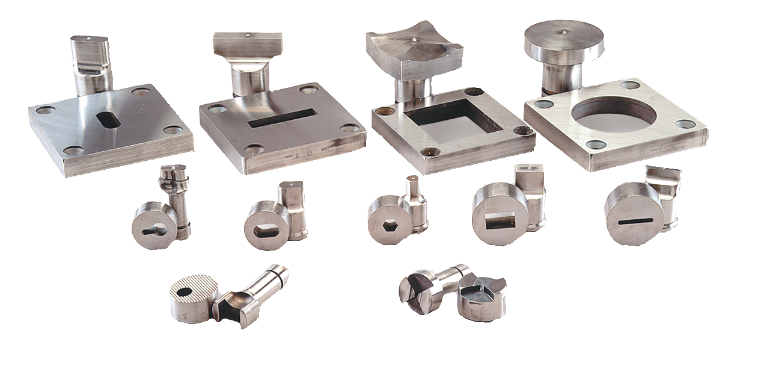
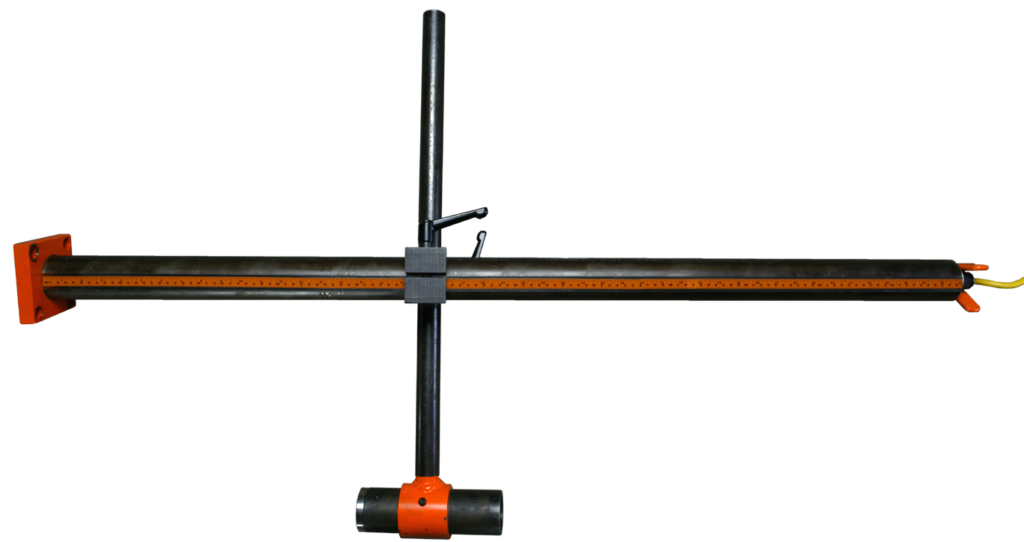
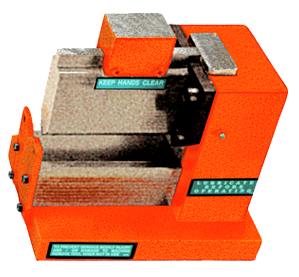
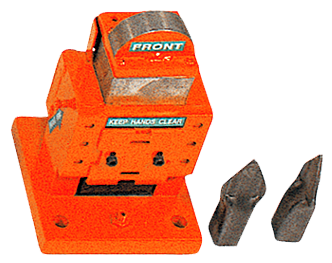
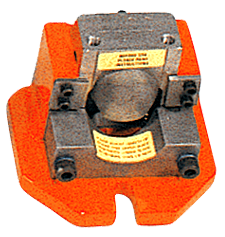
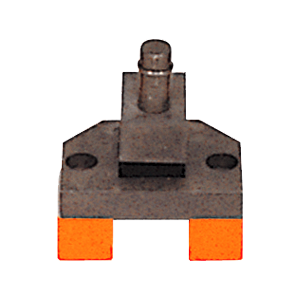
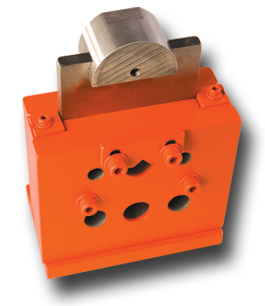
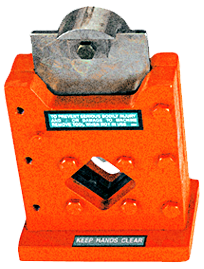
Also look for the throat size of the punching station, as most can only punch within 6”-10” of the edge of your material. Punches are not just for round holes! There are hundreds of styles, sizes, and shapes for punch tooling. Check out this catalog, you might find a type of punch that you didn’t know existed!

More Tooling

Helpful Links & Information

Vander Ziel Machinery represents several different brands of ironworkers as each has its benefits and disadvantages. We recommend the brand and type of ironworker depending on YOUR individual application. Click here to check our our new ironworkers, we represent Scotchman, Amada Marvel, and Piranha. We have thoroughly tested and tried each of these brands to ensure you get a quality product that will help get your job done!

We also have used ironworkers, click here to check those out. Vander Ziel Machinery checks out every machine and posts a video of it running.

If we can help answer any more of your questions, please give us a call or email us!

Tax Benefits for Equipment Purchases

Great News — 2015 Section 179 Deduction Information:

The Senate has now done its part and passed a year end budget deal that funds the U.S. government through September 2016, avoiding a shut down.  This was combined with a package of tax breaks providing much needed tax benefits to a broad spectrum of small businesses.

The legislation extends more than 50 expiring tax cuts, with more than 20 becoming permanent, including increasing the maximum amount for small business expensing under IRS section 179 to $500,000.  This would be reduced if the cost of section 179 property placed in service exceeds $2 Million.

What this means to you:

  • 2015 is a great year to buy and save on new and used machinery!
  • 2015 Expense Deduction Limit has been raised to $500,000
    2015 expensing limit of $500,000 made permanent (Maximum allowance was slated to drop to $25,000 this year).
  • 2015 Limit on Capital Purchases = $2 Million
    Section 179 Threshold for total of equipment & software that can be purchased has increased to $2 Million (threshold would have been only $500,000 prior to the new legislation).
  • 50% Bonus Depreciation will be extended through 2019. Businesses of all sizes will be able to depreciate 50 percent of the cost of equipment acquired and put in service during 2015, 2016 and 2017. Then bonus depreciation will phase down to 40 percent in 2018 and 30 percent in 2019.

Please Note:

  • Section 179 Deduction applies to most new and used capital equipment, and also includes certain software.
  • Bonus Depreciation only applies to new equipment (no used equipment, no software)

 When applying these provisions, Section 179 is generally taken first – unless the business has no taxable profit in the given tax year.

Sample Savings*

Original Equipment Cost: $500,000
2015 Tax Savings: $175,000
Final Equipment Cost: $325,000
Cash Savings on Equipment Purchase: $175,000

*Assuming a 35% tax qualifying purchase

This information does not constitute tax advice. Please check with your tax advisor on how this applies to your business.