Big Blanch: A History

Officially putting Big Blanch up for sale feels a little bit like parting ways with a member of the team. This 100″ Blanchard Rotary Grinder has been a pet project around the shop for years. Every member of our team has had a hand in getting Big Blanch into the beautiful shape it’s in today. Completely re-done electrical from the ground up, sheet metal work, fresh paint, the works! But, the time has finally come for this bird to leave the nest. In celebration of Big Blanch being ready to go back out into the world, we wanted to put together a history of some of the work we’ve done with it over the years.

The Beginning

Blanchard 100" Grinder

A true Michigan native, we originally came across Big Blanch in a tool room at Ford Motor Company. The guards were bent beyond recognition, the electrical system was completely shot, and the entire machine was relying on parts from the 60s, including old-school, grease-based lubrication and long-outdated electrical components. All of that isn’t even considering the issue of actually getting the machine out, which caused even further problems. We knew right away that we had our work cut out for us.

Shaving Off Decades

Blanchard

When we got Ol’ Blanch back to the shop, the first task was clear. Before we could figure out was needed, we had to actually find out what we had buried beneath forty years of work. After an initial wash, we set to work on disassembling the machine, where it started to be clear just how much work was going to need to go into the project.

The Real Work Begins

Blanchard Old Electrical

With the grinder disassembled, the condition of the components was made apparent. We were looking at wires, connections and fluid lines that hadn’t been replaced for thirty years. We stripped the entire system of its electrical components, wires and lines then started re-building the systems from the ground up. With a rebuild came the opportunity for substantial modernizations and other improvements.

A Fresh Start

Blanchard Progress

While work on the internal systems was underway, there was still plenty to do on the surface as well. The entire machine was sanded down, patched up and given a fresh coat of paint. After getting the main parts of the machine looking fresh, the next step for the exterior was rebuilding the exterior guard walls, which were completely ruined in the process of pulling it from its old home.

Modernizing Systems

Blanchard Lube System

One of the biggest areas for improvement was Big Blanch’s lubrication system, which relied on an older form of grease lubricant. We tore the whole system out and replaced it with a more modern oil lube, which can stand up to the top-end speeds of the grinder than the older lube.

Preparing for the Future

Blanchard Panel

After stripping Big Blanchard of all of its wiring and components, we had the perfect opportunity to future-proof and keep it running for a long time to come. All the outdated tech was replaced with modern versions, and we replaced the chuck and spindle motors with a Slow-Start system in order to minimize wear on such a large machine.

Big Blanch in 2026

Big Blanch

After years or finding the right people and the right parts to get it up and running, Big Blanch is finally looking as good as new with entirely rebuilt electrical and lubrication systems, new guard walls and doors, and a complete visual overhaul. We’re excited to see all the work pay off with a beautiful machine, and we just hope Big Blanch finds a home that appreciates it as much as we have for all this time. Check out more pictures and machine specs here!

Machine Spotlight: Haas CNC Turning Machine

2015 Haas ST-30 CNC Turning Center

When it comes to CNC machining, Haas is the Gold standard, and the ST-20 is among their most robust and efficient machines. This high-performance turning center is built from the ground up to provide setup flexibility, exceptional thermal stability and superior rigidity. With a 2.5″ bar capacity and 20 horsepower, you get a lot of machine at a reasonable price, and the user-friendly controls ensure that the efficiency of the machine can be put to full use in your shop.

Haas CNC Interior

Of course, we’re not just speaking about an ST-20, but an ST-20SS. Those extra letters carry a lot of weight with this machine, Super Speed. The spindle speed is increased from an already-substantial 4,000 RPM to an impressive 6,000 RPM, which only enhances the efficiency of Haas’ flagship machine. All that to say, if you’re looking for an affordable, robust option for your machining needs, the Haas ST-20SS is exactly what you need! Take a look at what we’ve got in stock today.

Benefits of Pre-Owned Metalworking Equipment

Benefits of Pre-Owned Metalworking Equipment

Metalworking equipment is utilized in the automobile, agricultural, and construction industries to shape and weld different pieces. Used machinery dealers such as Vander Ziel Machinery offer high-quality pre-owned equipment. Here is more information about the benefits of pre-owned metalworking equipment:

Reliable Machinery

Investing in pre-owned metalworking equipment from a previous owner gives you access to reliable machinery that has functioned successfully under similar circumstances. Durable machinery from established brands can continue to operate successfully, as tools like air compressors and other metalworking equipment are made for heavy use. Performing the appropriate maintenance for the machinery keeps it in good condition. This includes cleaning off metal residue, regularly inspecting the state of different cutting tools, and lubricating radial drills. 

When buying used equipment from used machinery dealers, you will have access to the machinery’s performance history. These records include information about: 

  • Previous maintenance and repairs
  • Types of tasks the machinery has performed
  • Hours of operation
  • Information about upgrades

Having these records allows you to see how well the equipment runs and its specific operating requirements. This helps prevent you from exceeding the equipment’s capabilities, preserving its lifespan. Vander Ziel Machinery offers transparent documentation with our machinery. This includes testing and inspection reports to demonstrate the quality and operating capacity of the equipment.

Functionality Tests

By purchasing pre-owned machinery from a reliable dealer, you will be buying equipment that has undergone inspections to verify its safety and functionality. These include a visual overview of the machinery, checking for signs of corrosion and rust. The gaskets, tank, and seals are inspected for discoloration and leaks, and the wiring is checked for damage. Dealers usually verify that safety features are functional, helping make sure the machinery is safe to operate when used according to standard workplace safety practices. When purchasing equipment, we prioritize machinery that has received location-specific and application certifications. 

Your dealer will also verify that the precision instruments and alignment of the machinery are working. Specialized software and tools allow the team to verify the equipment’s accuracy. This may include checking the stability of radial drills, the pressure output of air compressors, and the table movement and digital readouts of milling machines. Computer numeric control (CNC) machinery allows increased accuracy for laser metalworking systems, so functionality is key. The team will verify that the technology functions as intended. 

When working with a dealer, you can ask for visual proof that demonstrates that the vehicle is operating correctly.  Vander Ziel Machinery takes a video of the machinery running to demonstrate noise levels and operation. You can also visit the warehouse to witness a live demonstration.

Equipment Availability

Selecting pre-owned equipment can help prevent your company from having to wait weeks or months for equipment to be delivered. On-site used machinery is available to be picked up right away, allowing businesses to schedule transport. This helps minimize downtime and keeps projects on schedule. Browsing the range of used metalworking machinery can also help you find machinery or parts that are no longer in production, allowing you to fix other preexisting equipment you may have.

Sustainable Solutions

Choosing to reuse equipment promotes greater environmental sustainability. It allows functioning equipment to stay in operation, preventing waste. Using older equipment helps reduce the need to create new equipment. This helps conserve raw materials and the resources required to find and manufacture them, allowing your company to demonstrate environmental responsibility. Depending on the compatibility of the equipment, a piece of machinery can be retrofitted with a new spindle or automated arm. Adding new equipment to existing machinery helps reduce waste and improve production efficiency. This also allows the machinery to compete with newer models. 

Using used equipment for newer companies or for short-term projects and operations creates a sustainable solution for your business model. Used equipment for a newer company allows you to conserve company funds, preventing long-term commitment to equipment that may not fit current business needs. This allows for efficient business scaling. 

It also helps prevent you from having to purchase new equipment for a limited timeline or contract, preventing assets from being underused. Finding pre-owned machinery for purchase helps protect company resources while allowing you to meet current needs. Equipment can perform reliably during the project and retain value for resale afterward.

Contact Used Machinery Dealers

Used machinery dealers provide a range of new and used metalworking machinery, including lathes and surface grinders. Equipment for other sectors, such as industrial work, is available as well. Our stock includes machinery from well-known brands. Vander Ziel Machinery has over 900 pieces of used machinery available, and we accept trade-ins. A virtual tour of our warehouse, which measures 64,000 square feet, is also available on our website. To learn more about our available machinery, complete our online form or call us today to speak to a member of the sales team. 

What is a Band Saw Used For?

What is a Band Saw Used For?

A band saw is a power tool that features a continuous loop blade that can be stretched over two or more wheels. With its rotating blade, it can cut materials ranging from wood to metal and plastic. Whether you’re trimming rough timber or cutting steel beams, understanding the range of band saw applications helps you choose the right machine. Here’s a selection of band saws from used machinery dealers across various categories, allowing users to match tool capabilities to project demands:

Material Cuts

With the right blade, band saws can cut various material types, making them suitable for both fabrication and craft environments. Some industries that utilize band saws include: 

  • Woodworking: Band saws are frequently used in woodworking, as they provide cuts along both curved and straight lines. They also offer resawing capabilities, cutting thick boards into thinner planks for veneers and dimensioning. 
  • Metalworking: Industrial band saws can cut steel and other metals, including aluminum, brass, pipes, square bars, or iron. 
  • Meat processing: Stainless steel bandsaws are used for hygienic slicing through large cuts of meat or bone.

At Vander Ziel Machinery, we offer a range of band saws in various categories to meet the needs of multiple industries. Whether you are a wood or metal worker, used machinery dealers can help you find the right tool. Our warehouse offers a wide selection of each type of machine, along with a 30-day return policy.

Curves and Straight Cuts

A key advantage of the band saw is its ability to make both intricate curves and straight-line cuts. Unlike table saws, band saws allow for tight turning, defined by the blade width and design. This makes them ideal for detailed work, such as scrollwork or custom shapes. This combination of cutting abilities sets band saws apart in both hobbyist and industrial woodworking applications. 

Band saws also perform well in resawing, which involves reducing large blocks into thinner boards with a narrow kerf. A narrow blade kerf removes less material and produces less waste than other saw types. In lumber milling, this translates to a higher board-foot yield than circular sawmills. In metalwork, a thin blade usually requires less energy per cut and offers smoother finishing compared to abrasive equipment. It also helps reduce hazardous fumes and particulates. Whether handling wood or metal, the band saw is a reliable and efficient choice for reducing waste in cutting-intensive applications.

Niche Applications

Band saws offer a variety of uses in multiple industries, including meat processing. They can cut large meat blocks while adhering to sanitation measures. In electronics or plastics manufacturing, vertical band saws can trim PCBs or plastic casings with precision. Ice cutting may require specialized band saws that slice through large blocks of ice. They provide safety advantages over traditional chainsaws, making them useful in sculptures, culinary presentation, or food processing. 

We provide access to a range of used band saws, from benchtop models to larger industrial units. Whether your need is for curved pattern cutting, heavy-duty resawing, or batch metal cutting, our inventory helps match tool features to project type. Choosing the right machine requires examining blade compatibility, speed, feed mechanism, and machine size. Our catalog features various configurations, including both horizontal and vertical models. Each has different capacities, and saws are designed for either wood or metal, which can be compared based on their intended application. 

Manufacturing Processes

In industries where intricate curves, custom shapes, or unconventional cuts are required, a band saw provides the flexibility to execute designs accurately. Whether working with wood, metal, or plastics, the saw’s thin, continuous blade allows operations to maneuver through tight angles. It also allows them to follow detailed patterns without damaging the surrounding material. 

Precision cutting enhances the quality of finished products and reduces the need for secondary processing. Businesses that rely on advanced cutting capabilities can benefit from having a reliable band saw in their workflow, verifying efficiency and consistency across a variety of projects. This includes projects that require complex curves or irregular shapes for made-to-order pieces. 

Many operations rely on the versatility of band saws to work with a wide range of materials from dense hardwoods to high-strength alloys. This adaptability allows manufacturers to meet diverse client specifications. They can also maintain tight tolerances, which is crucial in sectors such as aerospace, automotive, and custom fabrication.

Contact Used Machinery Dealers

A band saw is a versatile cutting tool that handles curved, straight, and intricate cuts. Various blade types meet application requirements for materials such as metal, wood, and ice. The saw’s efficiency, material-saving design, and adaptability make it a key asset in a range of industries that require precise finishes. Used band saws at Vander Ziel Machinery offer a range of configurations tailored to a specific task. Contact our team to explore our warehouse, which is stocked with high-quality equipment and band saws. 

Troubleshooting Common Issues With Blanchard Grinders

Troubleshooting Common Issues With Blanchard Grinders

Blanchard, or rotary surface, grinders are designed to quickly remove materials from a large surface area to create a flat, level surface. The grinder’s precision makes this machine ideal for part development in many industries. Vander Ziel Machinery offers new and used grinders in various sizes, making it easy to find one that meets your needs. Here are some common issues with Blanchard grinders and how to troubleshoot them:

Uneven Grinding

A properly functioning Blanchard grinder creates a flat surface with a distinctive cross-hatch pattern. The workpiece, or the material that was ground, should not have bumps, bends, or dips. A grinder usually produces a finish with high precision tolerance, enabling the workpiece to fit accurately in the desired application. Variations in a grinder’s finish impact a part’s compatibility with further processing requirements. Uneven grinding may be caused by: 

  • Machine misalignment: The machine’s base should be level, and the grinding head must be adjusted for accuracy. Use a machinist’s level and rotate the wheel until the surface is aligned. The chuck, or clamping device, should also have a flat surface to maintain grinding consistency. 
  • Damaged spindles: A damaged spindle can cause radial or axial runout, which offsets the machine’s rotation and creates a non-level surface finish. Replacing the spindle or bearings helps resolve these issues. 
  • Wheel wear: Grinding wheels wear down over time, impacting performance. Regular wheel dressing removes dull abrasive grains to expose sharp ones to improve cutting ability. Long-term use may require wheel replacement.
  • Grinding technique: The workpiece should be securely attached to the machine to prevent vibration or movement during grinding. Magnets can be used on metal pieces to reduce bowing, verifying an even finish. Workpieces that are well-balanced on the machine support efficient grinding. 

Poor Surface Finish

Wheel selection is a key factor in determining the surface finish produced by Blanchard grinders. The wheel’s grit type, size, and how abrasives are bonded all impact the materials with which they are compatible. Aluminum oxide abrasives are used for grinding ferrous workpieces, while non-ferrous workpieces usually require silicon carbide abrasives. Coarse grits remain durable for long grinding times on easy-to-grind pieces, and mild grits stay sharp on harder-to-grind surfaces. 

Bonds hold abrasive gains on the wheel and form the machine’s cutting surface. Metal bonds are typically used to attach diamond abrasives for grinding materials such as ceramic, quartz, or glass. Flexible rubber bonds help produce smooth finishes and tight tolerances. Resinoid bonds remain intact with high grinding speeds, helping maintain a level surface finish. 

Reviewing a workpiece’s properties, such as its hardness and whether it’s ferrous or non-ferrous, helps determine a compatible wheel type. The grinding speed also impacts grit selection, as coarse grits remain sharp at high speeds, improving stock removal rates. Finer grits are designed to provide a lower average surface roughness.

Excessive Noise

Excessive or unusual noise during grinder operation often indicates underlying issues with the machinery. Common causes of increased noise include an imbalanced wheel or misaligned components. A balanced wheel should spin smoothly without vibration. To verify that it is properly mounted, make sure it is flush with the chuck, level, and concentric with the spindle. If the wheel continues to vibrate during operation, mount weights on the wheel to balance its heavy spot.  

A vibrating grinder wheel may cause other parts to become misaligned. Some parts that commonly become misaligned include:

  • Grinding head: The grinding head holds the wheel, and it could become misaligned wth the axis or chuck. This results in poor surface finish, increased wheel wear, and workpiece burning. Many grinders have adjustment screws that can be tightened or loosened to improve performance. 
  • Rotary table: The table that holds and rotates the workpiece might become misaligned with the path of the grinding head. This prevents material from being removed evenly across the workpiece. Cleaning the table removes debris that causes workpieces to sit unevenly on its surface.
  • Dresser assembly: The dresser is used to shape and prepare the grinding wheel, and this can become misaligned with the wheel’s axis. This reduces grinding efficiency and causes wheels to wear out more quickly. Cleaning the dresser and mounting surfaces helps verify a stable alignment. 

Neglected Maintenance

Regular maintenance, including cleaning, lubrication, and machine inspection, prevents many common issues. Removing chips and other debris from the grinding wheel after each project helps reduce unnecessary wear. Daily inspections can reveal signs of damage or loose parts. Addressing these quickly verifies that finished workpieces meet expectations for surface leveling. Lubricate moving parts according to the manufacturer’s recommendations to provide a smooth operation for the components.

Shop Blanchard Grinders Today

Blanchard grinders are key for part preparation and surface finishing in many industries, including automotive, agriculture, and construction. They produce highly accurate and uniform parts, making it easy to replicate components quickly. Vander Ziel Machinery tests each used grinder and verifies its quality and reliability. We offer both compact units and large-capacity models to accommodate various projects. Contact us today to learn more.

Help wanted

Are you ready to take your sales career on the road? 


VanderZiel Machinery & Sales is looking for a driven, self-starting Machine Sales Representative to join our team and serve machine shops, manufacturers, and industrial clients across West Michigan.

🔧 About the Role

As our new Machine Sales Represenative you’ll hit the road to build relationships, close deals, and grow our presence across the region. Your days will include on-site demos, cold calls, quoting projects, and following up through our Salesforce CRM. This isn’t just sales—it’s about delivering value and building trust in every interaction.

Expect consistent travel throughout your assigned territory and a rewarding, fast-paced environment where no two days look the same.


💼 Key Responsibilities

Sales & Business Development

  • Identify and qualify leads via cold calls, referrals, site visits, and trade shows

  • Present and demo new & used machinery, service packages, and parts

  • Prepare quotes and negotiate deals using Salesforce CRM

  • Track opportunities, forecast sales, and manage the full sales cycle

Customer Relationship Management

  • Build strong relationships with shop managers, engineers, and key decision-makers

  • Work closely with internal service and parts teams to deliver seamless post-sale support

  • Respond quickly to customer needs, questions, or issues

Territory Management

  • Strategically plan travel and client visits for optimal coverage

  • Accurately log interactions, expenses, and activities in CRM

  • Represent VanderZiel at trade shows and vendor events


✅ What We’re Looking For

  • 2+ years of outside sales experience (machine tool or industrial preferred)

  • Technical understanding of fabrication or metalworking machinery

  • Professional, polished communication and presentation skills

  • A track record of cold outreach success and consistent sales growth

  • Proficiency in Microsoft Office and Salesforce

  • Valid driver’s license and local travel availability

  • A bachelor’s degree in Business, Engineering, or similar field is a bonus


🤝 Why Join VanderZiel?

We’re not your average dealership. VanderZiel Machinery is family-owned, tight-knit, and deeply rooted in the Midwest manufacturing scene. We’re proud of our legacy, and we’re looking for someone who shares our passion for helping American manufacturers succeed.

This role offers real growth potential—with the tools, support, and mentorship to thrive.


🎁 What We Offer

  • Competitive compensation tailored to experience

  • Health & dental benefits

  • Retirement plan with employer match

  • HSA options

  • Ongoing training and career development opportunities


🚀 Ready to Apply?

If you’re eager to hit the ground running and want to grow your career in industrial sales, we’d love to hear from you. Bring your drive, and we’ll supply the tools to succeed.

👉 Apply today and become part of the VanderZiel team that’s shaping the future of American manufacturing.


Contact us today 

[email protected]

Vander Ziel Machinery at the Advanced Manufacturing Expo 2025

Vander Ziel Machinery at the Advanced Manufacturing Expo 2025

We’re excited to announce that Vander Ziel Machinery will once again be attending the Advanced Manufacturing Expo (AME) 2025, happening this August at DeVos Place in Grand Rapids, Michigan.

This two-day event brings together hundreds of manufacturers, suppliers, and industry leaders to showcase the latest in fabrication, metalworking, automation, and advanced manufacturing technologies. With free admission and over 260 exhibitors, it’s a must-attend for anyone in the manufacturing world.


📍 Event Details:

  • Dates:
    Wednesday, August 6, 2025 | 8:30 AM – 4:00 PM
    Thursday, August 7, 2025 | 8:30 AM – 3:00 PM

  • Location:
    DeVos Place – 303 Monroe Ave NW, Grand Rapids, MI
    Booth: 1002

  • Tickets:
    🎟️ Admission is completely free, but we recommend registering online ahead of time to skip the lines.
    👉 https://www.advancedmanufacturingexpo.com/

🔨 What We’re Bringing

We’re bringing a wide range of fabrication and metalworking machines to display live at the show. Whether you’re looking to expand your shop, upgrade equipment, or just explore what’s new, we’ll have something worth checking out:

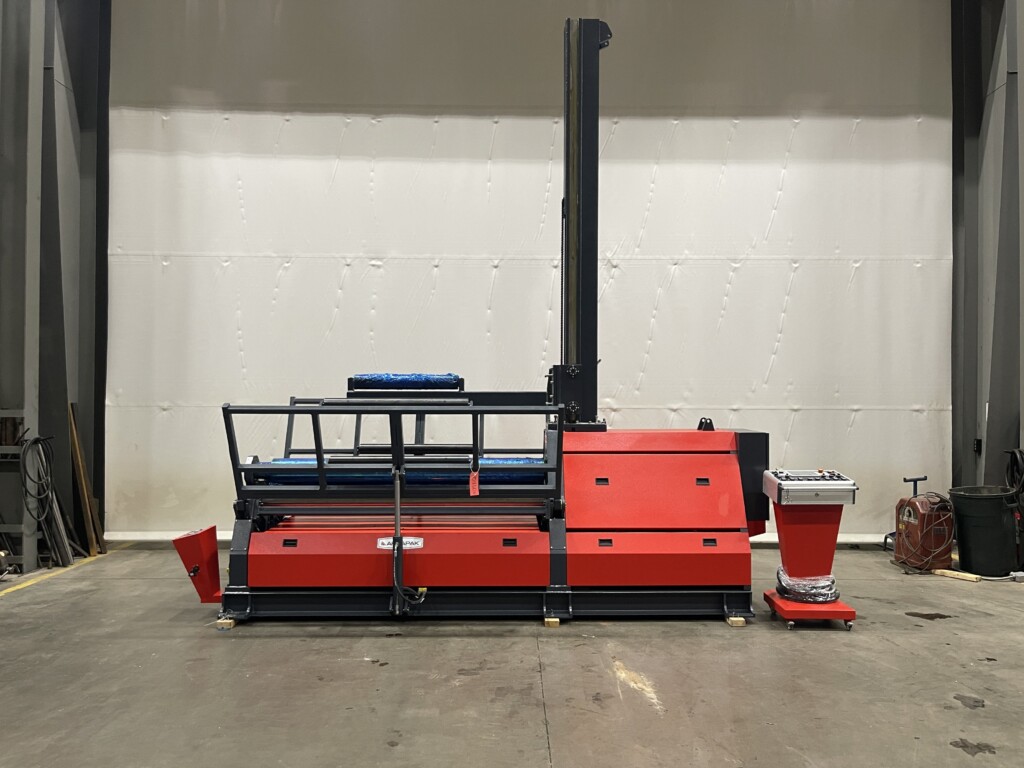
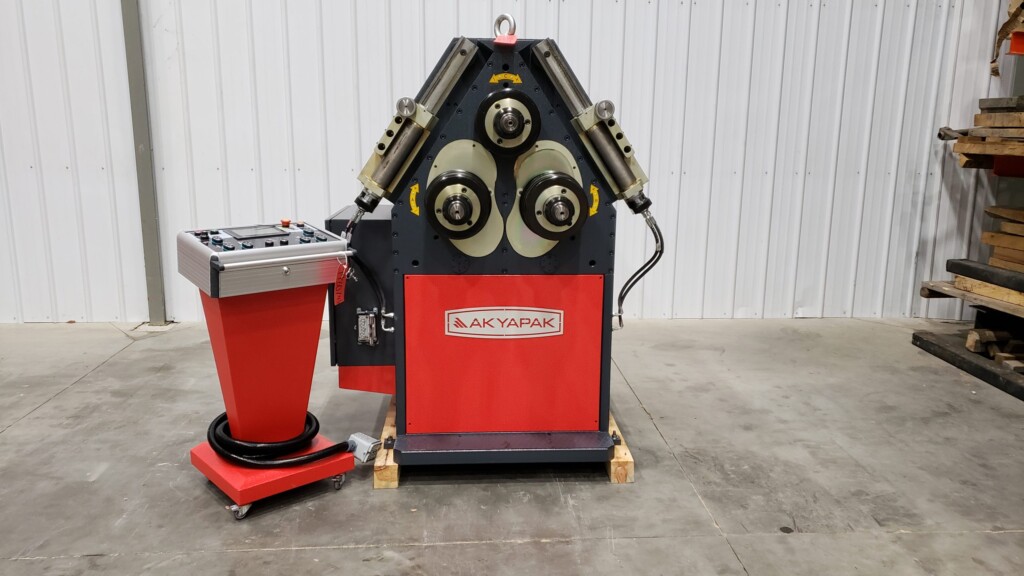
  • New Akyapak 6′ x 1/4′′ Plate Bending Roll, Model AHS 20/06Top & Side Supportl
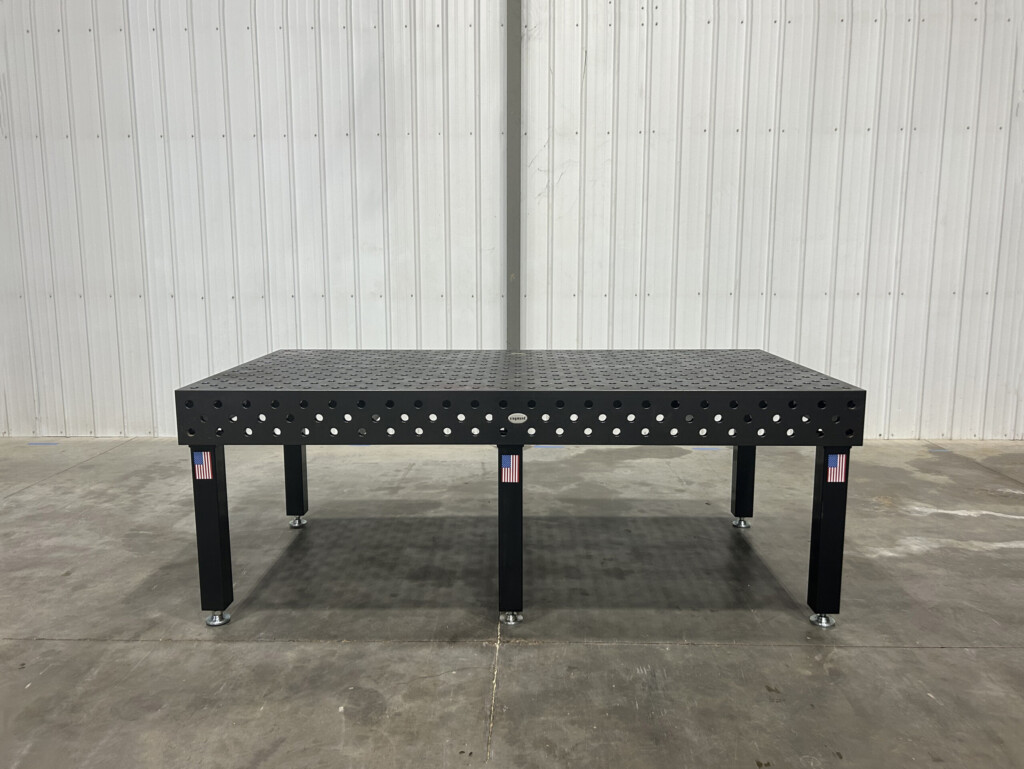
  • Siegmund System 28 Welding Table – 4’x8′ Plasma-Nitrided Imperial Series
  • Clausing 8043 Lathe – 15″ Swing Geared Head Gap Bed
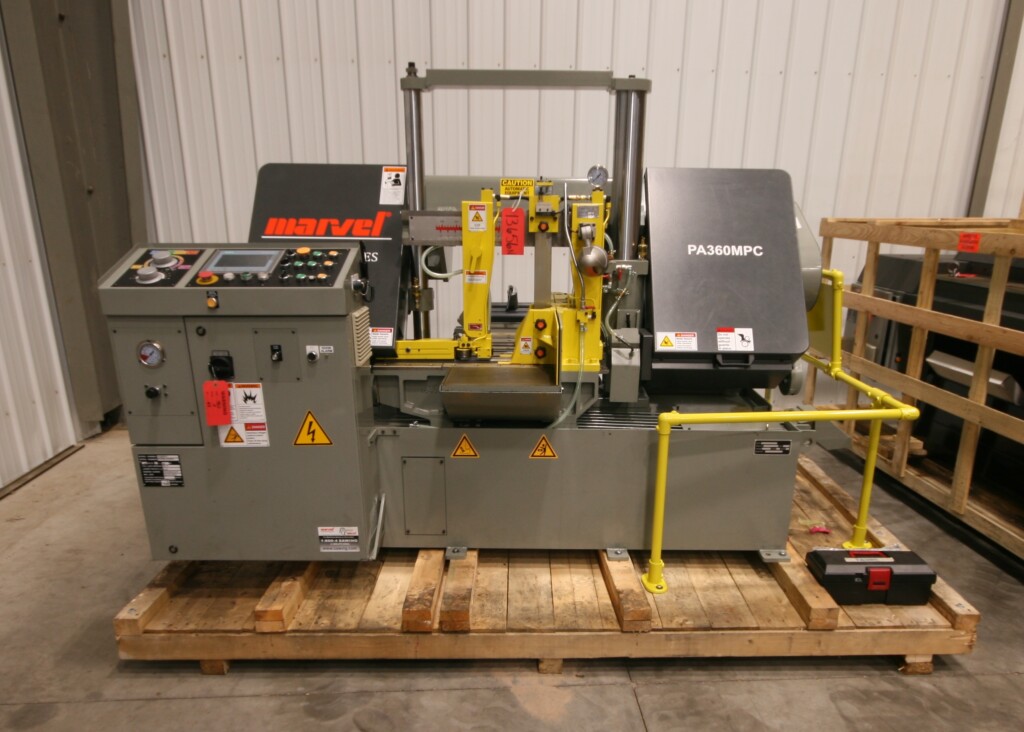
  • Amada Marvel PA360
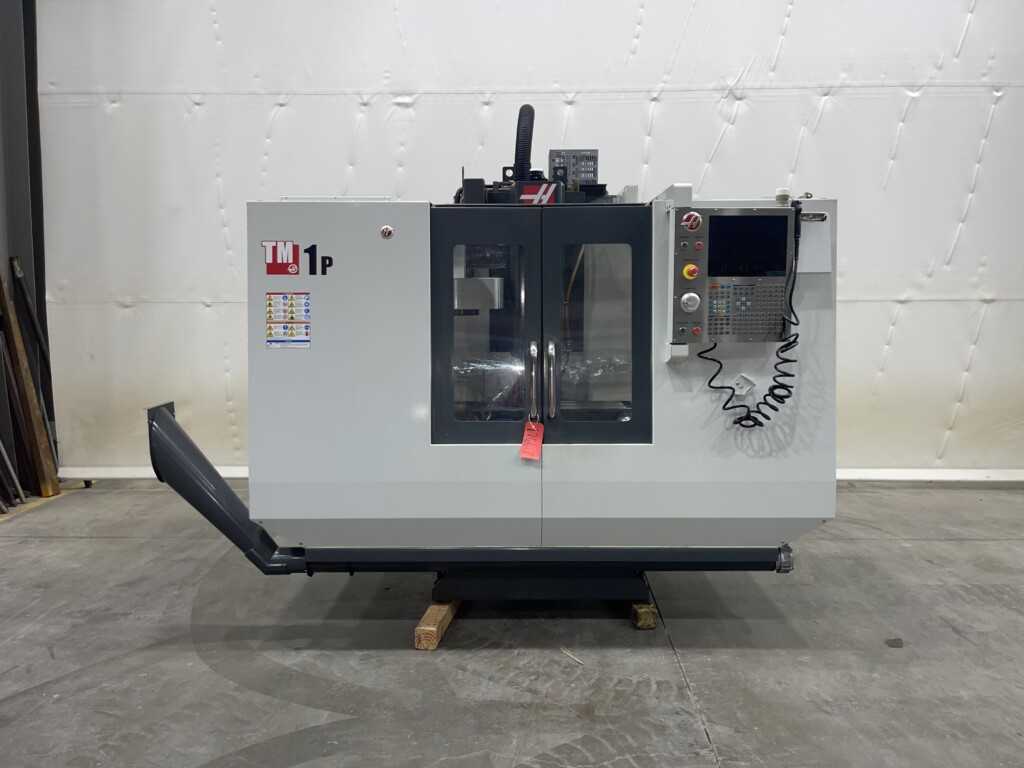
  • Haas TM-1P CNC Mill – 2012
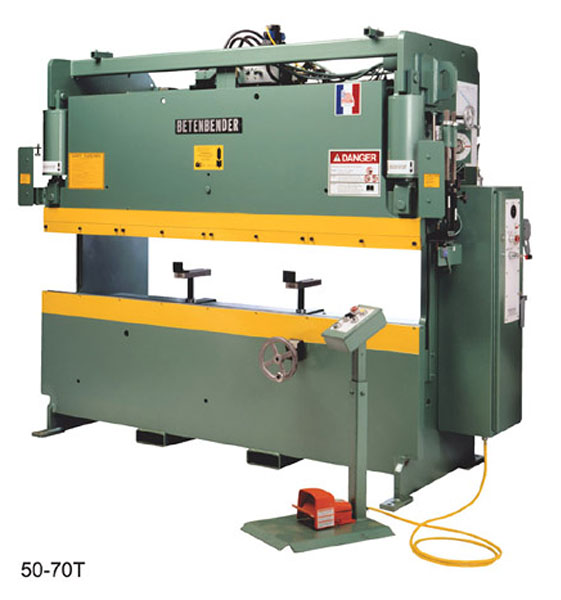
  • Betenbender 6 x 70 Press Brake
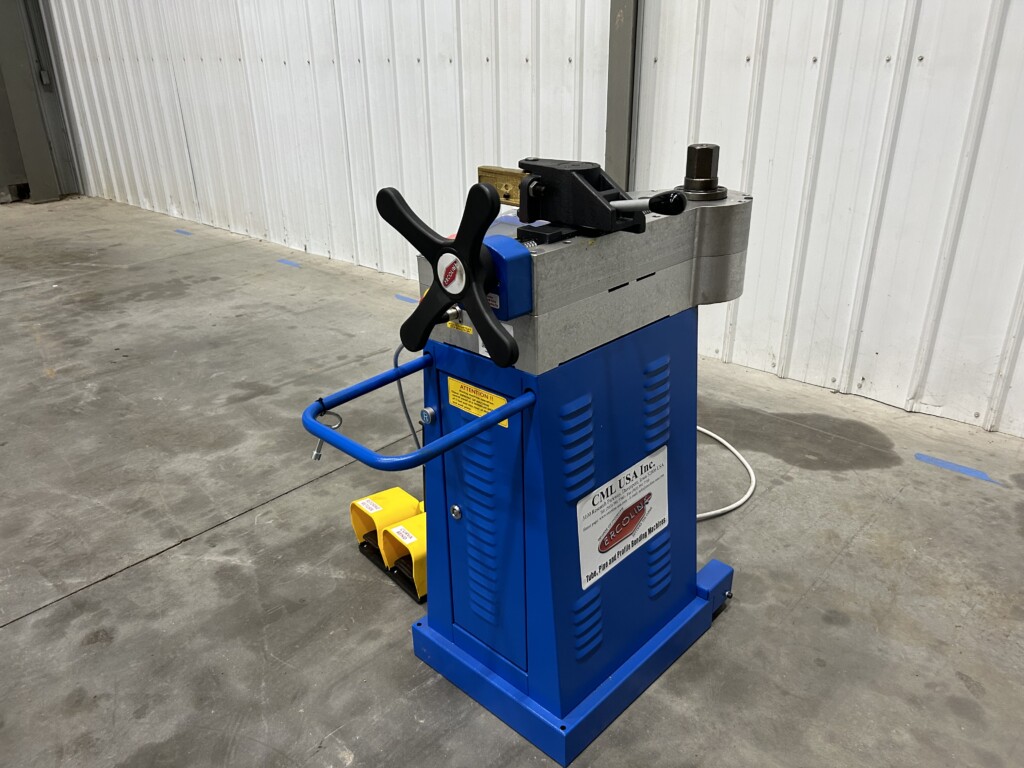
  • Ercolina SB48 Super Bender
  • Scotchman 50514-EC – 50 Ton Ironworker
  • New Akyapak 3′′ x 3′′ x 5/16′′ Angle Roll, Model APK 81
  • New Piranha 65 Ton Ironworker, Model P-65
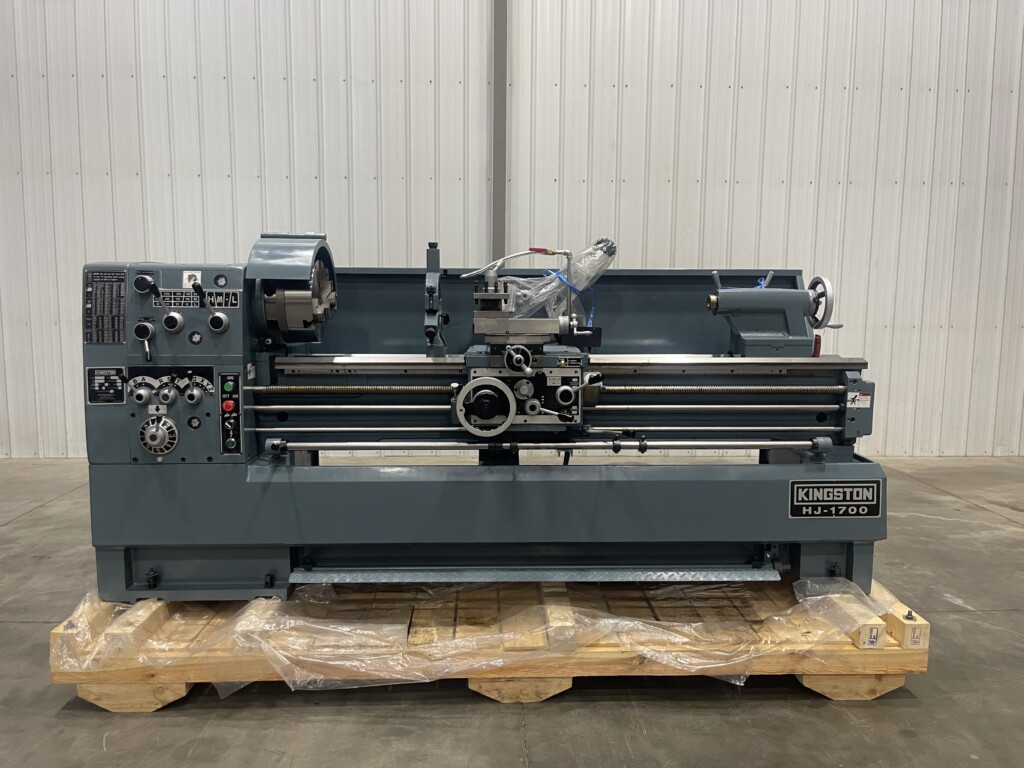
  • Kingston HJ-1700 (3′′) 17′′ x 67′′ High Precision Lathe, 3′′ Spindle Bore
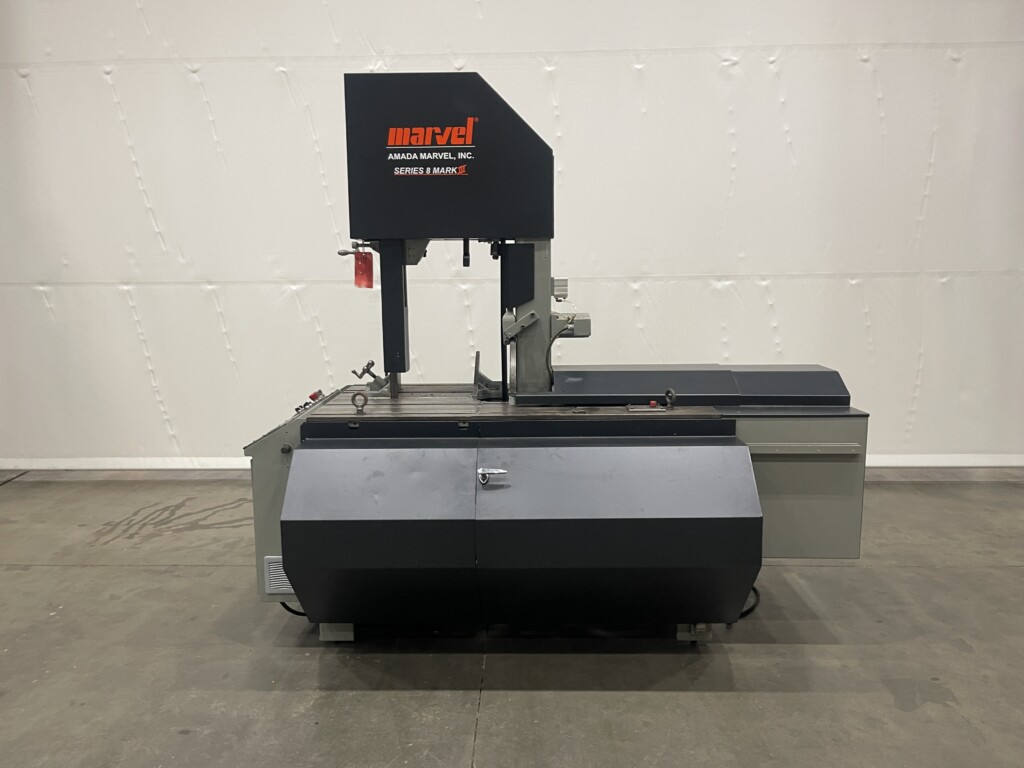
  • Marvel Series 8 Mark III Vertical Tilt-Frame Saw, 18′′ x 22′′ Capacity
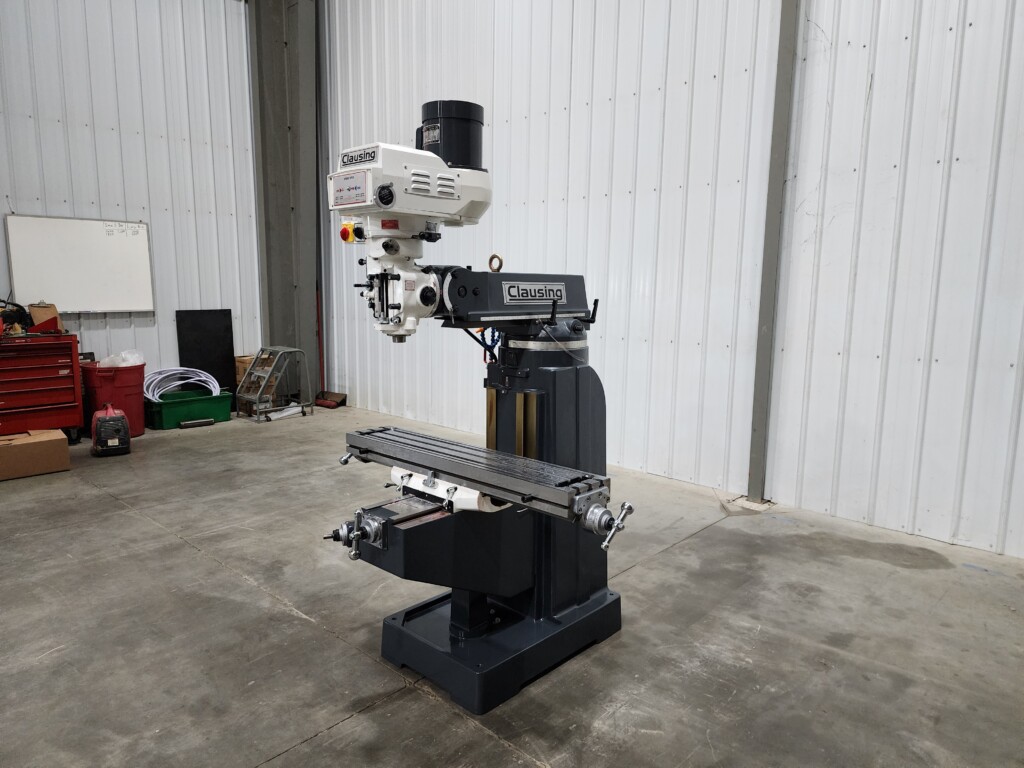
  • Clausing 2VS08 Vertical Knee Mill
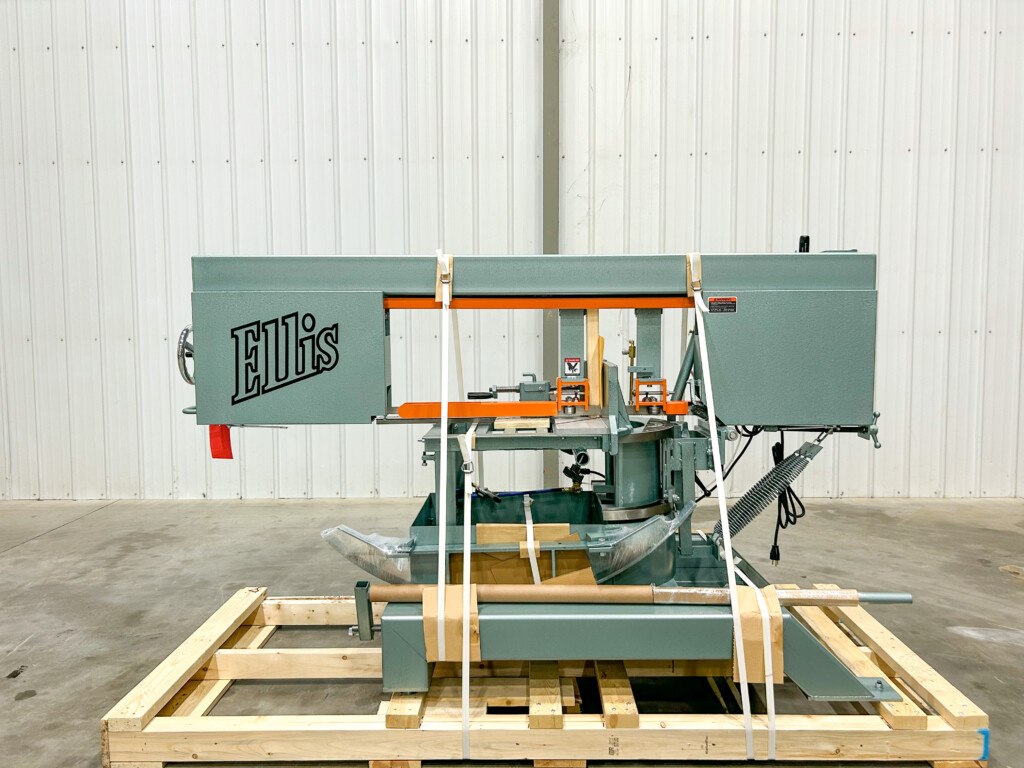
  • New Ellis 13″ x 16″ Horizontal Saw, Model 4000
  • Vidmar 9 drawer
  • Vidmar 10 Drawer

We’ll also have product info, video walkarounds, and knowledgeable staff ready to answer any questions about machinery, service, or financing.

🎁 Bonus: Win a YETI Cooler!

Be sure to stop by our booth (#1002) and enter for a chance to win a YETI Cooler. No purchase necessary—just swing by and say hello!


Why DeVos Place?

Located right in downtown Grand Rapids, DeVos Place is a beautiful, easy-to-access venue surrounded by great restaurants, bars, and hotels. It’s steps from the Grand River, with plenty of free parking nearby and access from all major highways.


We hope to see you at AME 2025. Whether you’re in the market for machinery or just want to explore what’s new in manufacturing, come by Booth 1002 and say hi!

We will be closed Friday, August 8th. 

Customization Options for Blanchard Grinders

Blanchard grinders are a type of rotary surface grinder designed to quickly remove large amounts of material from flat surfaces. Some machines grind surfaces to tight tolerances, enabling manufactured pieces to fit accurately in their desired applications. Used grinders at Vander Ziel Machinery can be utilized for plate stock, large castings, stampings, and forgings. Here are some customization options for Blanchard grinders: 

Wheel Selection

The grinder’s wheel rotates against the workpiece, or the material that is being ground, acting as a large sanding block. The abrasive on the wheel and the grit size can be customized to suit the workpiece. This allows manufacturers to achieve a desired finish. 

When customizing a wheel, review the workpiece’s key properties, including its hardness, whether it’s ferrous or non-ferrous, and how easy it is to grind. For ferrous materials, aluminum oxide abrasives may be used, while silicon carbide is often preferred for grinding non-ferrous materials. Coarse grits withstand long grinding times for easy-to-grind workpieces, and a mild grain stays sharper for pieces that are more difficult to grind. 

Grinding wheels can achieve finishes quickly and consistently, allowing for the repetition of the process across multiple workpieces. Projects that require rapid stock removal may necessitate a different wheel type than those needing a finer finish. Coarse grits grind materials more quickly, improving stock removal times. A finer grit helps achieve low surface roughness averages (RA) and creates a shallower scratch pattern.

Operation Settings

Adjusting a grinder’s settings affects its operating efficiency and the final finish on the material. This allows manufacturers to tailor a workpiece to suit various applications. Here are some customizable settings on a grinder:

  • Speed: On Blanchard grinders, the speed at which the grinding table rotates impacts material removal and surface finish. At slower speeds, the grinding wheel often exerts a higher force, causing abrasive grains to break down faster. Higher speeds can extend the life of the grain as it is less likely to break. 
  • Load Balancing: The way parts are arranged on the grinder table affects the grinding process. When the rotating table is well-balanced, grinding is often more efficient. If there is too much weight on the grinder table, cuts can be hard or sluggish.
  • Motor Load: The motor load is the amount of electrical power consumed by the grinding motor. Some machines measure the percentage of load, while others indicate the amperage. Grinders designed to run at high motor loads maintain operating efficiency without decreasing the wheel’s rotational speed. 

Machine Specifications

Blanchard grinders are available in various specifications, including differences in size, vertical range, and horsepower. On a grinder, the chuck, or clamping device, holds the workpiece in place while the machine is running. A machine’s chuck size determines the diameter of compatible workpieces. Standard chuck sizes include 30, 48, 60, and 84 inches. Smaller grinders with 12-inch chucks and large machines with 100-inch chucks are also available. The vertical range is the maximum distance the grinding wheel can move vertically. This adjustable distance enables a machine to grind materials of varying thickness. 

Since grinders are designed to remove a significant amount of material, a high horsepower is necessary to drive the wheel and rapidly cut through metals and other materials. When cutting large or heavy workpieces, high horsepower helps maintain speed and performance. If the machine is underpowered, there may not be enough force to grind a piece evenly, resulting in grain dulling or surface burns.

Bond and Coolant Options

In a grinding wheel, bonds hold the abrasive grains together to form the cutting surface. They give the wheel’s surface varying levels of structure and strength. Here are some common bond types

  • Vitrified: These bonds are made from ground clay and fluxes, creating a strong, rigid adhesive. They remain strong at high temperatures and do not degrade when in contact with oil, water, or acids. 
  • Resinoid: Made from synthetic resins, these bonds are designed to withstand high grinding speeds. 
  • Metal: Metal bonds are used to bind diamond abrasives that are required for grinding hard materials like glass, quartz, or ceramic. 
  • Rubber: These flexible bonds are used when smooth finishes are required, as they can produce tight tolerances. 
  • Silicate: Silicate bonds release abrasive gains easily, minimizing the thermal energy produced during grinding. 

During operation, coolants are used to cool and lubricate the grinding wheel and workpiece. This helps prevent thermal damage and maintain the wheel’s structural integrity. Water-based coolants decrease thermal energy in the grinding zone and wash away debris to keep the wheel clean. Oil-based coolants provide high lubrication and improve surface finish. Coolants may also affect the performance of the wheel’s bond. Thermal energy allows resin-bonded grinding wheels to self-sharpen, so using a coolant prevents the wheel from breaking down. When using vitrified bonds without coolant, increased thermal energy could burn the workpiece’s surface. 

Shop Used Blanchard Grinders Today

Blanchard grinders are a key machine when workpieces require significant material removal before final production specifications can be met. A range of machine specifications, from wheel and bond options to operation and machine specifications, enables grinders to adapt to various materials. Vander Ziel Machinery offers high-quality used grinders in multiple sizes to meet your project requirements. Contact us today to learn more. 

🚀 Introducing VZ Direct — The Marketplace Built for Fabrication Equipment

We’re excited to officially announce the launch of VZ Direct, a powerful new marketplace built for the metal fabrication and machinery world — and it’s live now at vzdirect.com.

At Vander Ziel Machinery, we’ve spent years connecting businesses with the right equipment — whether that’s press brakes, shears, plasma tables, or CNC machines. But not every machine fits our in-house model. Some need a different type of buyer. Some need more eyes. Some just need a platform.

That’s where VZ Direct comes in.

🛠 What is VZ Direct?

VZ Direct is a self-serve marketplace that gives you the power to list and sell your fabrication machines directly to other buyers — no middleman required. Whether you’re a shop owner, a dealer, or just have a single piece of equipment to move, VZ Direct makes it easy.

💡 Why We Built This

Our warehouse has limits — but the need for a smarter, leaner marketplace doesn’t. We built VZ Direct because the industry needed a modern tool built by people who actually understand how fabrication works.

This isn’t just another generic classifieds site. It’s built specifically for this space — with the filters, visibility, and pricing model that makes sense for sellers and buyers alike.

🏷 List for Just $10 per Machine

We’ve made listing simple and affordable. For just $10 per machine, you can upload your listing with full details, photos, and contact info. Plus, we’re kicking things off with a free 90-day trial — no commitment, no gimmicks.

📱 Available on Web + Mobile

Use it how you want. The platform is fully responsive and available on both desktop and mobile. You can also find VZ Direct on the App Store and Google Play — perfect for snapping pics and uploading your machine details straight from the floor.

🔗 Start Selling Now

Ready to move some machines? Create your account today at vzdirect.com


VZ Direct isn’t just another sales tool — it’s a new way to move metal.

Join us in building a marketplace that works as hard as the industry it serves.


What Equipment Is Considered Industrial Machinery?

Effectively implementing heavy equipment in large-scale projects requires a clear understanding of what qualifies as industrial machinery. Defining which equipment is to be applied in which setting helps establish safety standards, promote worker safety, and determine industry best practices. A key part of this is differentiating industrial machinery from traditional equipment. Industrial machinery dealers like Vander Ziel Machinery understand where equipment works best based on its purpose, scale, and operational complexity.

Defining Machinery’s Purpose

Many types of machinery have multiple applications; their purpose is defined more by the intended use. Michigan law helps in defining industrial equipment by establishing legal standards for industrial processingThe Michigan State Legislature classifies industrial processing as any activity that changes “the form, composition, quality, combination, or character” of materials that are later sold at retail or are used in the manufacturing of other products that are also sold at retail. The law goes on to further identify the activity of producing, manufacturing, and recycling aggregate products, along with the production of components used in construction as also being included in this definition. 

Under this law, any equipment used in industrial processing can qualify as industrial machinery. This includes equipment used in the transportation and storage of industrial processing products during both the pre-production and decommissioning stages. Stacker cranes, dock levelers, and compactors fit into this category. The definition’s application also extends to equipment used to manufacture industrial products in the state for use outside of it. This can include manufacturing components shipped outside of the state for assembly or construction materials used in out-of-state projects. Equipment expressly excluded from this legal definition includes forklifts, skidsters, loaders, and tractors.

Assessing Equipment At Scale 

Size and scale serve to differentiate equipment designed for similar purposes. Production done on a large scale requires equipment that’s built to last. Some consumer products and industrial equipment might perform the same function, yet only the latter is specifically designed to stand up to the rigors of large-scale commercial production. That often involves making such equipment bigger, bulkier, and more durable. 

Hydraulic presses provide an example of this distinction. One can buy a hydraulic press to use for home projects and even small-scale construction, manufacturing, and design jobs. Yet its size and capacity limit the types of jobs it can complete. Contrast that to an entry-level industrial grade press sold by industrial machinery dealers like Vander Ziel Machinery, which weighs close to 6,000 lb, has a maximum pressure capacity of 50 tons, and would likely only be purchased for an industrial plant or warehouse.

Analyzing Operational Complexity 

Large-scale machinery introduces added layers of operational complexity compared to standard consumer products. Such equipment often contains vast numbers of individual components, each of which can require great skill to maintain. Some of these tools also require a high amount of energy to power them, more than can typically be delivered across a standard residential electrical line. This may require operators, technicians, and electricians to be certified or licensed in their use and repair.

A small-scale press can typically be operated by almost anyone, and troubleshooting problems with the press may also be detailed in something as simple as an online video. Operators of industrial-grade presses might need to take extensive licensing courses to learn how to use them and then continue to familiarize themselves with revised operating procedures whenever new standards are introduced. Repairs might also require a separate service technician. 

Why Defining Industrial Machinery Is Significant 

Companies operating in industries where large-scale products are the norm, such as manufacturing, construction, and transportation, require suitable tools that will help them meet their clients’ demands. Utilizing machinery given an industrial grade allows them to fully optimize their production capabilities. Such equipment can require a significant investment, but the promise of it standing up to the rigors of industrial processing helps justify its expense. Industrial-grade equipment may also be necessary for companies looking to expand their product lines. Integrating new equipment into their existing processes requires that both the old and new components have similar production capacity.

Regulatory compliance demands also play a key role in classifying heavy-duty equipment. Manufacturing and construction equipment have the potential to produce high amounts of power. Occupational safety officials require that equipment meet strict safety standards to avoid unnecessary risks. Large-scale equipment can also produce equally large amounts of energy while operating. This requires owners and operators to adhere to standards regulating pollutant output and energy efficiency.

Trust In Industrial Machinery Dealers

Understanding the exact definition of industrial equipment helps clarify the need to work with reliable industrial machinery dealers. Such providers offer readily available service and support if and when equipment issues arise. Vander Ziel Machinery’s experience and expertise in the industrial equipment sector make us an ideal supplier. To learn more about our extensive inventory of products, contact us today.