Different Types of Metalworking Equipment and Their Uses​

Different Types of Metalworking Equipment and Their Uses

Metalworking equipment can cut, shape, grind, weld, and bend different types of metal. These machines make parts and pieces for the automotive, aerospace, construction, and agricultural industries. At Vander Ziel Machinery, we sell many types of new and used metalworking machines. Here is more information about the different types of metalworking equipment we carry and their uses:

Cutting Machines

Cutting machines use lasers, plasma, and blades to cut, engrave, or etch metal and other materials. Laser cutters are accurate, versatile, and fast machines. They produce little waste and no dust from the cut materials. A laser machine is comprised of a power supply, laser resonator, cutting head, mechanical system, and motion control system. This type of machine can be automated with computer numeric control (CNC) to make cutting more hands-off. CNC systems improve cut accuracy and user safety.

A code input tells the laser cutter’s computer the specific movements to make. To start the project, the laser powers up, generated by CO2, optical fiber, diodes, or a crystal. A series of mirrors and lenses directs the focus and width of the laser beam. The material is then cut, directed by the code on how deep and long to make the cuts. Different laser cutting techniques work better on different types and thicknesses of materials. Vaporization laser cutting works well on thin sheets of ferrous metals, while fusion laser cutting works well on thick materials. These cutting processes are used to make products like turbine blades, suspension for vehicles, and parts for electronics.

Shaping Machines

Metalworking equipment can shape metal using a cutting tool and specific movements. Two types of shaping machines are lathes and milling machines. A lathe is used for industrial or artisanal pieces and parts. An industrial lathe makes parts for vehicles and farming equipment, while an artisanal lathe is used for smaller projects using sheet metal, glass, and epoxy. 

A lathe machine is comprised of a base, headstock, tailstock, accessories, and carriage. The headstock powers the machine and has a spindle where accessories like chucks and plates are attached. The tailstock is a moveable part that holds the workpiece and the operating tool. Between the headstock and tailstock is the carriage, which supports and guides the workpiece as the machine operates. A lathe machine operates by moving the workpiece and keeping the cutting tool stationary. By moving the workpiece at different angles and removing the excess metal, the lathe creates cylindrical parts, such as nuts, bolts, pump parts, and gun barrels. At Vander Ziel Machinery, we carry various lathe sizes and models to meet your production needs.

Hole-Making Machines

Some metalworking equipment makes holes in metal by drilling or punching the material. A drilling machine uses a drill bit attached to a spindle to make the holes. Clamps hold down the workpiece while downward pressure pushes the drill bit into the material. The speed and pressure of the drill bit are adjustable to control the hole’s depth and diameter. Drilling machines range in size from large upright drilling machines to small benchtop machines. Upright drilling machines are used in commercial manufacturing facilities, and benchtop machines are more commonly used by hobbyists on soft metals or wood. Drilling machines in the automotive and home appliance industries to make holes for hardware and fasteners. 

A punching machine creates holes in sheet metal using a die and punch tool. A steel, aluminum, or copper sheet is placed on the die, and the punching tool is driven into the sheet to create holes or cavities. Punching machines create clean, burr-free holes and are useful for producing intricate metal parts and pieces. They are also good at mass production and work well on metals of varying thicknesses. Punching machines are used create holes for ventilation or automotive parts.

Both drilling and punching machines can be CNC machines, which is helpful for mass production processes. At Vander Ziel Machinery, we offer drilling machines of all kinds, including drill presses, column drills, and floor drills. We also carry various punch machines, including CNC machines, turret punch machines, and hand punch presses.

Bending Machines

Bending machines bend metal into different shapes to products like pipes, tubss, and metal plates. Some types of bending machines include sheet metal bending, press brake, plate rolling, and mechanical bending. These bending machines are helpful for producing parts and pieces for the HVAC industry. Bending machines are also used by manufacturers in the automotive and heavy equipment industries. They can bend various materials and types of metals. Some materials that are suitable for bending machines include steel, copper, aluminum, and titanium. 

A plate rolling machine bends thick metal plates, which creates parts for the aerospace, transportation, mining, and fuel industries. The machine uses three rollers in a pyramid formation. The top roller pushes in one direction while the bottom two push in the opposite direction. Because the machine is high-powered, it can bend much thicker plates than other types of bending machines. Because of the plates’ thickness, the bending process may take longer to complete.

Find High-Qualtiy Metalworking Equipment

Vander Ziel Machinery offers used and new metalworking equipment for large and small manufacturing applications. We can send pictures or videos of the machinery in operation to help you determine if its right for you. We also offer shipping and pick-up options once you have completed your purchase. Give us a call today to learn more about our supply of metalworking machines.

Purchasing New Versus Used Machinery From Industrial Machinery Dealers

Purchasing New Versus Used Machinery From Industrial Machinery Dealers

When you need industrial machinery, you will need to decide if you want to buy new or used machinery. Factors like machinery condition, warranty, technology capabilities, and parts availability are necessary to evaluate to confirm you’re getting the right machinery. Industrial machinery dealers like Vander Ziel Machinery will discuss these factors with you so you get the machinery you need.

Condition

Whether the industrial machinery is advertised as new or used, you should check the machinery’s condition before purchase. Ask the machinery dealer if they will allow you to run the equipment so you can check all of the necessary parts. At Vander Ziel Machinery, we provide video proof of the condition of our used machinery. A reputable industrial machinery dealer will provide you with their used machinery’s previous use and maintenance work records.

For both new and used machinery, do a visual inspection to check for signs of cracks, corrosion, rust, or other surface-level damage. Assess inner components like gears, seals, and bearings for wear and tear, discoloration, or deformation. Check the transmission, engine, and other parts that use fluids for leaks or gasket issues. Test the functions of different parts of the machinery. If the equipment is a crane chain or hoist, check if it can hold and move the claimed weight capacity. Assess the safety features like stopping functions and guard pieces.

New industrial machinery should have no problems inside or out of the equipment. No parts or inner components should have cracks or wear and tear. It is still good to run the equipment to verify the working conditions. You may also want to bring another professional to assess the condition of new and used machinery.

Technology Capabilities

As the capabilities of technology change, some used machinery will have different capabilities than new machinery. New machinery may have better automation or AI functions, data gathering, or numerical control. While machinery that is used might have these same technologies, they may not be as efficient. Determine whether the used machinery will still meet your needs with its technology capabilities, but you might need to buy newer versions later. 

Wait Time

Some machinery dealers have new equipment in stock at their warehouses, but many times, they will need to order it from another place. Used machinery tends to be in stock already, so it can be delivered sooner than new equipment. If you need equipment right away, buying a used machine could work better for your timeline. If you are investing in new industrial machinery for the future, a longer wait time might not be an issue. 

Ask about delivery time, fees, and unloading options. If the equipment cannot be shipped directly to your workyard, you will need to have your own mode of transportation after delivery. Perform a visual inspection of new and used equipment before signing it for delivery.

Accessories and Tooling

Accessories and tooling are often not included in the initial purchase of machinery. Industrial machinery dealers may only sell the basic machine, and you must purchase tooling and accessories separately. For used machinery, ask if you can buy the necessary accessories from the same dealer or get recommendations from other reputable suppliers. Even new equipment will need to have parts or accessories replaced in the future. Saws will need new blades, and lathe machines will need new chucks. Verify that the accessories and toolings are new or used and evaluate their conditions before purchasing.

Warranties

Warranties provide financial protection and equipment reliability assurance. Manufacturers usually offer a warranty on their new equipment that covers defects and sometimes parts servicing. A manufacturer warranty may not apply for used equipment, or it will be valid for a shorter time. Dealer warranties are set by the company you purchased the machinery from. Their warranty is influenced by the equipment’s condition and the dealer’s policies.

At Vander Ziel Machinery, all our new equipment has manufacturer warranties and support. Our used equipment has a 30-day return policy, and you can get a full refund as long as the machinery is still in the same condition as when it was sold.

Parts Availability

Numerous brands sell the same machines with small variations. Parts are often incompatible across different brands, meaning you have limited options when purchasing parts. Work with an industrial machinery dealer that sells parts compatible with the equipment they sell. With new equipment, it can be easier to find new parts as many dealers will have them in stock. With used equipment that is much older, you may need help finding replacement parts as they could be discontinued. Vander Ziel Machinery carries complete lines of new parts from major manufacturers. We also work with dealers that may have the new or used parts you need.

Purchase From Industrial Machinery Dealers

When purchasing new or used industrial machinery, look into the machinery’s condition, functions, warranties, parts availability, and wait times. Determine whether a new machine is necessary or if a used machine will get the job done. Industrial machinery dealers like Vander Ziel Machinery offer new and used machinery and can help you find the necessary equipment.

How Do Industrial Machinery Dealers Verify Quality and Reliability?

How Do Industrial Machinery Dealers Verify Quality and Reliability?

High-quality industrial machinery can improve the efficiency and productivity of your business. Purchasing used machinery allows you to save money while still obtaining high-quality equipment. The industrial machinery dealers at Vander Ziel Machinery test their used machinery before selling it to verify that it is in good working condition. We also employ other strategies to make sure our used machinery is reliable, including purchasing from trustworthy sources and providing transparent documentation.

What Factors Affect the Quality and Reliability of a Machine?

Many factors affect the quality and reliability of an industrial machine. The initial design and engineering of a machine, including the materials it is made of and how it was constructed, can affect its durability. How often the machine received maintenance and servicing, including cleaning, inspection, and lubrication, can affect a machine’s performance. Machines naturally experience wear and tear over time, so their age may also affect their reliability and quality. Component replacement and refurbishment can extend service life and reliability. Our team prioritizes high-quality makes and models that have been well-maintained, allowing us to provide a good selection for you to choose from.

How Does Vander Ziel Machinery Verify Machine Reliability and Quality?

At Vander Ziel Machinery, we use various strategies to make sure the machinery we sell is in good condition. This enables us to provide a wide selection of functioning equipment, from sanders to welders. Some of these strategies include:

Purchasing From Trustworthy Sources

Our selection process starts with purchasing our machinery from trustworthy sources. Before purchasing machinery, we do our due diligence to identify suppliers and companies that adhere to quality standards and have good reputations. Our team carefully inspects machinery before purchasing so we know if there are any issues that will need to be fixed or disclosed. While we acquire machinery from a variety of sources, our connections and partnerships with our regular suppliers allow us to maintain a consistent supply of high-quality machinery

Inspecting and Testing

Our team thoroughly inspects and tests each piece of equipment before adding it to our inventory. We look for wear or damage on the inside and outside of the machine, making sure to take detailed notes. We also perform reliability tests using testing equipment and software. These tools allow us to simulate operating conditions to see if there are any performance issues. Inspecting and testing machinery before listing it allows us to check the efficiency, accuracy, and durability of every machine that we sell.

Utilizing Transparent Documentation

Because we purchase machinery from multiple sources, we have machines in a wide range of conditions. Our team works to provide transparent documentation and communicate any potential concerns with used machinery before you purchase it. If there is an issue, this communication enables you to make an informed decision about whether to replace a part yourself or have us complete the repair before purchasing. During the procurement and verification process, we document specifications, inspection reports, and test results. We do this to maintain transparency with our customers so they can have confidence in the quality, authenticity, and origin of the machinery.

Verifying Compliance

Adhering to regulatory requirements and industry standards is part of verifying the quality and reliability of industrial machinery. We make sure that machinery complies with Occupational Safety and Health Administration (OSHA) standards. We also prioritize application and location-specific certifications. Compliance with these standards helps us provide safe and compliant machinery for our clients.

Providing Visual Evidence

We take videos of our used machines as they are running and add them to our product listings. These videos serve as visual evidence that the machine is in working condition. They allow you to listen to the machine’s sounds, evaluate the noise level, and view any wear and tear. We provide this visual evidence to help you make informed and confident decisions about your investment. Prior to purchasing, our customers are also welcome to come and inspect machinery in person.

Offering 30-day Returns

We offer 30-day returns on our used machinery. During this period, you can test the machine and use it in your operations. If it doesn’t meet your expectations or requirements, you can return it in its original condition for a full refund. This return guarantee does not apply to machinery that is priced and sold in as-is condition.

Partner With Our Industrial Machinery Dealers For High-quality Machinery

Sourcing high-quality used industrial machinery is a more affordable way to improve your operations. The industrial machinery dealers at Vander Ziel Machinery purchase machinery from trustworthy sources, conduct rigorous inspection and testing, and provide transparent documentation to make sure you receive high-quality and reliable machinery. We also offer 30-day returns, so you can return any machinery that you do not like for a full refund. Contact our sales team today for help selecting the right machine for your needs.

Advantages and Disadvantages To Purchasing Used Machinery From Industrial Dealers​

Advantages and Disadvantages To Purchasing Used Machinery From Industrial Dealers

Purchasing used equipment from industrial machinery dealers depends on the budget, urgency, the business’s specific needs, and the dealer’s reliability. Vander Ziel Machinery is a reputed dealer specializing in metalworking and fabrication machinery. Buying used machinery can have the following advantages and disadvantages:

Advantages of Buying Used Machinery

Used machinery can offer various advantages, including cost savings, flexibility, records, and full inspection. If you need machinery to meet your production needs, you can browse our collection to find one that matches your budget and requirements. Here is more information about the perks of buying used machinery:

Lower Asking Price

Used metalworking and fabrication equipment is more affordable than brand-new machinery. When purchasing used equipment, there is a potential additional cost savings as we include tools and accessories. This can reduce the expenditure for a business compared to buying new equipment and investing in additional tooling separately. From CNC machining centers to welding machines, the depreciation of value in the used market allows businesses to acquire tools at a lower price.

Full Inspection and Testing

As reputed industrial machinery dealers, we test and inspect used machinery before putting it up for sale. Our trained technicians perform a visual inspection, checking for corrosion, rust, or loose components. The machinery also undergoes functional testing, which involves running it through various operational cycles to assess its performance. Technicians use specialized tools and instruments to determine that the equipment meets specified tolerances. This may include checking the accuracy of sensors, calibrating measurement devices, and verifying alignment.

Known Performance History and Documentation

Detailed records of routine maintenance, repairs, and servicing can show how well the previous owner cared for the machinery. For a CNC milling machine, maintenance records might indicate the frequency of spindle lubrication and changes to cutting tool inserts. Usage history shows how frequently the machinery has been in operation, and the types of tasks it has handled can provide insights into its wear and tear. Documentation may include details about upgrades, such as adding a digital readout system to a lathe or emergency stop buttons for die separators.

Wide Selection

We have a wide selection of metalworking and fabrication equipment at Vander Ziel Machinery. You can shop for die separators, forklifts, drills, mist collectors, press brakes, fixturing, cranes, CNC milling, CNC turning, and coil equipment. Our equipment collection includes lathes, air compressors, brake hand, CNC fabrication machinery, pipe threaders, grinders, welding equipment, saws, and transformers. A diverse range of machinery means that you can explore various features, specifications, and configurations. When choosing lathes, you can check the variable speed, and for welding machines, you can review the versatility and deposition rate.

Possible Upgradability and Retrofits

Upgrading or retrofitting used machinery with modern technologies and features can enhance performance and extend its lifespan. Upgrading a shearing machine’s blade and control system helps improve cutting accuracy and reduces material waste. Retrofitting an older machining center with a high-speed spindle can enhance its capabilities, making it more competitive with newer models. Updating a manual welding machine with an automated system, such as a robotic welding arm, can improve welding quality and enhance production output

Disadvantages of Used Machinery

When buying pre-owned machines, there could be potential deterioration and limited customization. When you buy equipment from reputable machinery dealers, they have ways to mitigate these issues. Established dealers often have good relationships with original equipment manufacturers to source quality spare parts. Here are more details about the disadvantages of used equipment:

Potential Wear and Tear

Used machinery has already been in use, and there may be wear and tear on some components. Regular and proactive maintenance can mitigate the effects of wear and tear. The risk of excessive wear is reduced if the machinery has been well-maintained throughout its operational life. At Vander Ziel Machinery, we check used equipment when we acquire it from sellers. We also take videos of the machines running to help you inspect them remotely. Dealers communicate with buyers about the history of the machinery, any known issues, and the steps taken to address them. Clear information builds trust and helps manage buyer expectations, reducing the likelihood of surprises related to hidden wear.

Limited Customization

Used machinery may offer a different level of customization than new equipment. Businesses with specific requirements may struggle to meet their exact needs with pre-owned machines. Machinery dealers may collaborate with engineering and customization experts to explore possibilities for adapting used equipment to meet specific manufacturing processes. This could involve reprogramming, retooling, or modifying the machinery to align with the customer’s unique production requirements.
Buy Equipment From Trusted Industrial Machinery Dealers

If you are looking for quality metalworking and fabrication machines, you can find them at Vander Ziel Machinery. Our qualified sales team can help you choose equipment based on your desired features and production needs. As trusted industrial machinery dealers, we can help you find machine tools and accessories. Browse our collection of used machines and invest in them.

In Memory of Steve Vander Ziel

It is with deep sadness that we inform you of the passing of our husband, father, founder, and boss Steve Vander Ziel. In this we trust God has a plan even though we don’t see it now and may never understand. He died doing the thing he had grown to love in his later years, driving his John Deere tractor.

Please be patient with us in the coming weeks as we make arrangements and grieve. He guided us well for this event, but we still have big shoes to fill. He will be missed desperately.

We will be closed Friday, November 3.

Visitation: Thursday 11/2 5pm to 8pm  at “The Barn” 12166 52nd St. Lowell, MI 49331 (Please park along the road, fire department will block traffic as needed) 
Funeral: Friday, 11/3, 11am at Northpointe Christian, 3101 Leonard St. NE, Grand Rapids, MI 49525

In lieu of flowers please feel free but not obligated to make a donation to:
NorthPointe Christian Schools (NPC Foundation in memory of Steve VanderZiel),
3101 Leonard St. NE,
Grand Rapids, MI 49525

Lowell Township (Steve VanderZiel Family Endowment Fund),
2910 Alden Nash SE
Lowell, MI 49331.

For those who may not know, Steve was our namesake at Vander Ziel Machinery. He founded the company after buying a package of machinery for the farm. He kept a few items and sold the rest. He was a man who believed deeply in getting his hands dirty and leading by example, he built the business on the Christian values of honesty, integrity, and respect. Steve had a gift for planning not just to step two or three but usually to step ten or fifteen. Our family has surrounded his vision and have been involved in the business since the beginning. Still to this day the family is very involved in everyday operations.

As many may know, in his later years Steve used his engineering mind to restore old tractors, in his mind the older the better. He would reverse engineer parts even when he didn’t have the original. His ingenuity and ability to solve a problem brought Vander Ziel Machinery to where we are today.

Thank you for your patience and continued support in business over the years. Serving our customers is what drives us and what we will continue to do. We appreciate you!

With Sadness,
The VanderZiel Family

Steve made a huge impact in the West Michigan community, please leave any comments, stories or encouragements below on our website. We look forward to hearing from you.

Power Leaf Brakes Vs Straight Brakes

Power Leaf Brakes vs Straight Brakes

Precision and efficiency are predominant when choosing tools to bend and shape sheet metal for your projects. You can choose between a power leaf brake and a straight brake. Many used machinery dealers offer both of these brakes at different price points. Here is a comparison of these two tools to help you make an informed decision for your specific goals: 

Power Leaf Brake

The power leaf brake, also known as a box & pan brake, is a versatile and powerful machine designed to help with a wide range of sheet metal bending tasks. You can find leaf brakes that can operate hydraulically or manually. Power leaf brakes use hydraulics, which have different advantages than manual ones. Here are some significant features of a power leaf brake:  

Hydraulic Operation: The hydraulic system provides consistent and strong bending force. This force and consistency help create precise bends even on thicker materials.

Various Bending Angles: The power leaf brake allows you to adjust the bending angle, which allows you more flexibility in your metal bending processes.

Size Increase: This brake can handle larger sizes and capacities with hydraulic power. More challenging materials like hardened steel, titanium, and heat-resistant nickel alloys can be easily machined.

Where To Use a Power Leaf Brake

You can use a power leaf brake in various heavy sheet metal industries. Fabricators that work with stainless steel, aluminum, and other dense materials often choose this tool because it can handle thick materials. Power leaf brakes can help you during projects that require precision and repeatability. These brakes come in various sizes to meet your preferences and goals. 

Straight Brake

The straight brake is a simpler tool compared to the Power Leaf Brake. This brake can either operate manually or hydraulically. For this blog, the manual straight brake is what we’ll refer to. A manual straight break relies on a physical force applied by the operator to create bends. The straight brake is easy to use and is versatile for smaller projects. Here are the key features of the straight brake: 

Manual Operation: The straight brake relies on manual force. This force makes it suitable for projects that don’t require extreme bending force.

Compact and Portable: Straight brakes offer a more straightforward design and are often more lightweight and portable than the hydraulic versions. This makes the brake an easier choice for on-site work.

Cost-Effective: The straight brake is generally more affordable than the Power Leaf Brake because it is a manual tool. 

Where To Use a Straight Brake

Straight brakes can be used in smaller and light gauge sheet metal industries. HVAC contractors, roofing specialists, and garages often choose this tool because it is simple and cost-effective. It is suited for projects that involve simple bends and where high bending force is not as necessary. Straight brakes come in different sizes as well as a power version to suit your preferences and goals. 

How To Choose the Right Brake

When choosing between a power leaf brake and a straight brake, there are a few things to consider, including your projects and the materials you’ll be working with. Here are some key factors to consider to help you make the best decision for your project: 

Material Thickness: Consider the thickness of the material you’re using. A power leaf brake may be the better choice if your project uses thicker and heavier metals. These brakes can handle thicker sheet metals while keeping bends precise. If the metal you use is thinner, you can opt for a straight brake. 

Repetition and Precision: For projects requiring precise repetition, like building a box or a pan, the power leaf brake uses its hydraulic power to maintain consistent results. 

Budget and Portability: Consider your budget and how portable you need your brake to be. Manual versions of both of these brakes are more cost-effective because they are made smaller without the hydraulic system. Choose a manual brake for more portability in your projects. 

In-Shop and On-Site: Hydraulic version of the leaf brake and the straight brake are more difficult to move from place to place. Garages or sheet metal specials can choose these hydraulic versions to keep at their shops. Those who work with on-site projects should consider a manual straight brake or leaf brake. 

Used Machinery Dealers and Your Brake

You can find used and new power leaf brakes or straight brakes at Vander Ziel Machinery. Choosing a brake depends on the specifics of your projects, your budget, and how portable you need the brake to be. Find a brake that meets your project goals, like the size and gauge of the sheet metal you’re working with. You can browse our online inventory to find size specifications on each of our brakes. Contact Vander Ziel Machinery to learn more about which brake best suits your needs and preferences. 

Hydraulic Brakes vs Mechanical Press Brakes

Hydraulic Brakes vs Mechanical Press Brakes

Hydraulic brakes and mechanical press brakes are two types of sheet metal bending brakes used in manufacturing and metal fabrication. While both types of metalworking equipment bend sheet metal, they differ in how they operate and the advantages they offer. Here is more information about the differences between hydraulic brakes and mechanical press brakes and their pros and cons:

Betenbender Hydraulic Brake
Cincinnati Mechanical Press Brake

What Are Mechanical Press Brakes?

Mechanical press brakes use a mechanical system of gears, pulleys, and a flywheel to apply force to the sheet metal. Energy generated by the system is transferred to a ram, which accomplishes the actual bending of the sheet metal. The angle and depth of the bend created depend on tools on the upper and lower parts of the brake. The upper tool is commonly called a punch, and the lower tool is referred to as a die. Using differently shaped tools, press brakes can produce a wide variety of shapes and angles in sheet metal.

What Are Hydraulic Brakes?

Hydraulic brakes function similarly but use powerful pumps instead of mechanical force to drive the brake punch into the metal. The main distinguishing components of a hydraulic brake include a hydraulic pump, cylinders, and control valves. The hydraulic cylinders are the components responsible for applying the force required to bend the sheet metal.

Hydraulic Brakes vs Mechanical Press Brakes: Pros and Cons

While hydraulic brakes and mechanical press brakes are both effective pieces of metalworking equipment, their distinct features give them different strengths and weaknesses. Here are some pros and cons of each type of press brake:

Pros of Hydraulic Brakes

The biggest advantage of hydraulic brakes is that the down force of the ram can be reversed at any time in the stroke of the ram. Another advantage of hydraulic brakes is their ability to provide consistent force throughout the bending process. This is due to the hydraulic system’s ability to control the force applied to the sheet metal precisely. The hydraulic power of these press brakes can overcome the resistance of the metal without overcompensating. This strength also means that hydraulic press brakes have a higher bending capacity than mechanical press brakes, making them ideal for heavier projects.

Because the hydraulic pumps of this type of brake don’t depend on sustained mechanical force, they pair well with the precision of computerized controls. This allows hydraulic press brakes to execute more complex bending operations. Hydraulic brakes are generally easier to set up and require less overall maintenance than mechanical press brakes. The selection of hydraulic brake presses from Vander Ziel Machinery Sales include these and other advantages, like easy-to-use foot switches.

Cons of Hydraulic Brakes

Compared to mechanical brakes, hydraulic press brakes have a higher cost of entry. The price point can make them less accessible for smaller metalworking operations. The more complex systems behind hydraulic brake presses also makes maintenance more challenging. Repairing or replacing components can be more costly due to their sophisticated design. Conducting maintenance also demands more specialized knowledge of the machine’s function.

Pros of Mechanical Press Brakes

A major benefit of mechanical press brakes is that these more straightforward machines are less expensive than hydraulic brakes. Initial savings may make them a more cost-effective option for smaller shops. The relative simplicity of mechanical press brakes also makes maintaining them easier and more affordable than hydraulic press brakes. Another advantage of mechanical press brakes is their speed during repetitive tasks. Mechanical brakes can quickly execute the same type of bend in succession, allowing high-volume production of given bends.

Cons of Mechanical Press Brakes

The limitations of mechanical press brakes include lower pressure capacities and fewer bending options. Mechanical brakes cannot effectively air bend and their strength in repetition is offset by the simplicity of the available bend types. Due to the age of the mechanical brake design, modern safety measures are also less compatible with them and may further restrict operation. Mechanical press brakes can also incur wear and tear more quickly than hydraulic presses, demanding more frequent maintenance.

Which Type Of Press Brake Should You Choose?

Choosing between hydraulic brakes and mechanical press brakes ultimately depends on your specific needs and requirements. If you need high bending capacity for heavy projects and require a more controlled force throughout the bending process, hydraulic brakes may be the better option. If you need a faster operating speed to produce large amounts of relatively simple bends, mechanical press brakes may be a better fit. 

Metalworking Equipment For Every Situation

Both hydraulic brakes and mechanical press brakes are valuable tools for sheet metal bending, depending on the project’s requirements. Understanding the machinery’s strengths and weaknesses can help you choose the best metalworking equipment for your business. The Vander Ziel Machinery sales team can provide a press brake for whichever metal production needs your company has. Contact us or browse our online selection of used and new press brakes today to find an option suited to your needs and budget.

Advanced Manufacturing Expo 2023

Advanced Manufacturing Expo 2023: August 9-10

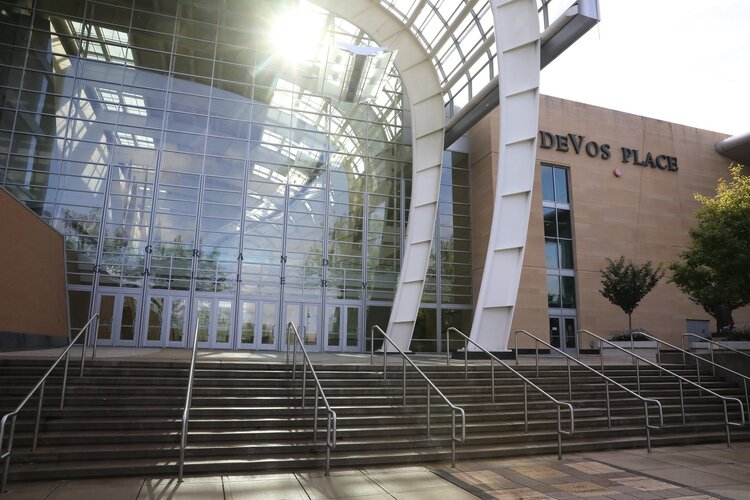
We’re thrilled to announce that we will be attending the Advanced Manufacturing Expo at DeVos Place this year. We will be bringing a handful of different fabrication and metalworking machinery for you to see. The best part? Tickets are FREE.

Find us at Booth 614

*Register for tickets online ahead of the show to save time registering the day-of.

With over 260+ exhibitors, breakout presentation rooms as well as LIVE welding & plasma cutting demonstration from REA RIPPLE Globally Recognized Metal Welding Artist / Fabricator / Contestant on Metal Shop Masters (Netflix) / Forbes Top Influencer / Author, “When I Grow Up”, AME 2023 promises to deliver a top notch expo.

The Advance Manufacturing Expo has five (5) areas of expertise: Mechanical, Metalworking, Automation, Process/Instrumentation and Future Tech. Exhibitors of the Advance Manufacturing Expo will be showcasing the latest advancements in manufacturing technologies and more.

Date: August 9th from 8:30AM — 4PM
August 10th from 8:30AM — 4PM
Location: DeVos Place. Grand Rapids, MI

Machinery We Will Be Bringing:

Click photos for more info

Akyapak 5′ x 1/4″ Four Roll Hydraulic Plate Bending Roll with Top and Side Supports, Model AHS 15/04 

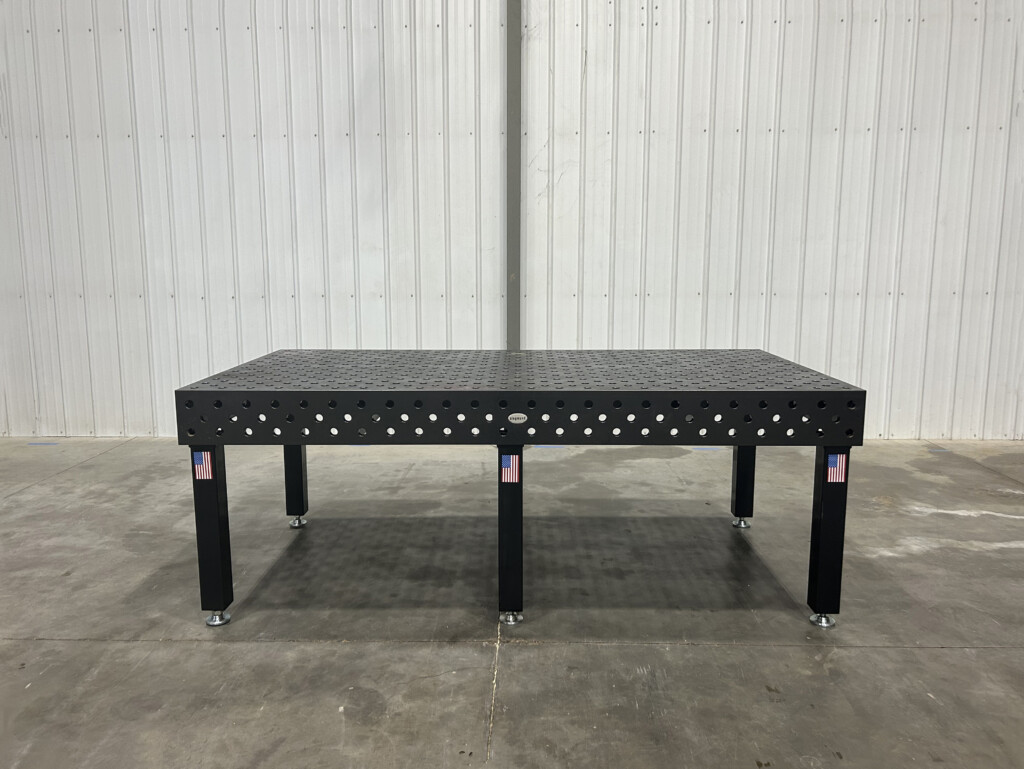
Siegmund Imperial Series System 28 4’x8′ (48″x96″) Welding Table with Plasma Nitration, Model US280030.XD7

Clausing 15″ Swing Geared Head Gap Bed Lathe, Model 8043

Marvel 15″ x 20″ Vertical Tilt Frame Saw, Model 380A-PC3-60

Clausing 20” Floor Stand Drill Press, Model 2276

Scotchman 14″ Semi-Automatic Cold Saw Model CPO 350 PKPD VS

Ercolina SB48 Super Bender

Scotchman 50 Ton Ironworker, Model 50514-EC

Geka Hydracrop 55 Ton Ironworker

Clausing 8″ x 18″ Hand Surface Grinder, Model CSG818H

Wellsaw 20″ Vertical Saw, Model V-20F

Bridgeport Series I Vertical Mill, 9″ x 48″ Table

Visit our Booth for a chance
to Win a YETI Cooler

DEVOS PLACE

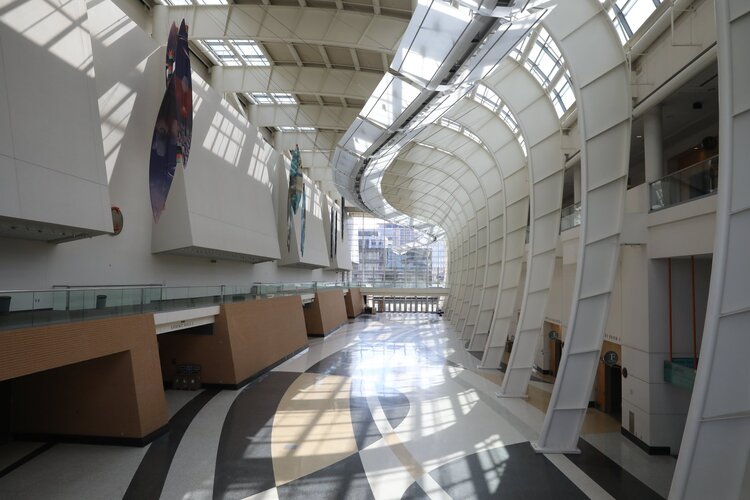
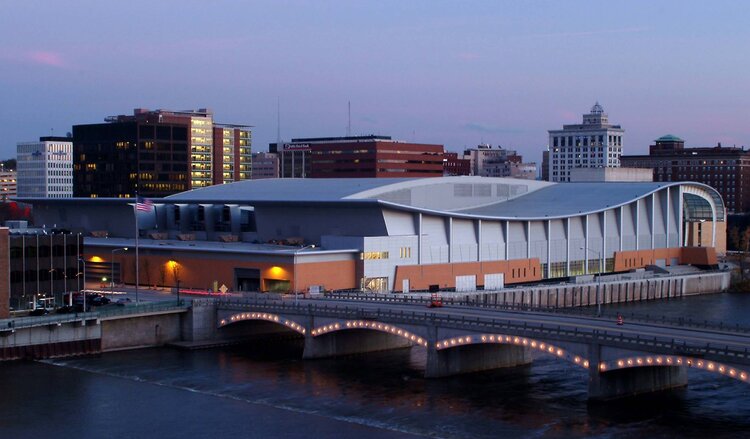
DeVos Place is a premier convention center located in beautiful downtown Grand Rapids, Michigan. It’s within perfect walking distance to staple bars and restaurants with a variety of cuisines. Plus, being alongside the Grand River, it features a killer view.

 There are several free public parking options within the surrounding area for AME attendees and there’s easy access to the local major highway systems.

COME WATCH SPARKS FLY WITH RAE RIPPLE

Come watch the sparks fly and experience Rae Ripple’s speaker series, where she empowers people of all ages and backgrounds to celebrate the trades, pursue their passions and create the life they’ve always dreamed of. Rae Ripple is a talented Metal Artist and Fabricator. She was a contestant on Netflix’s Metal Shop Masters. Named by Forbes as a Top Influencer and is a Globally Recognized Metal Welding Artist. Plus, she’s the author of “When I Grow Up.” Check out her work on Instagram!

Visit Rae at Booth #1320. Plus! Drawings to win Rae’s art created each day will be held at 3:30 PM.

Highlight Video from Last Year:

Don’t Forget the Accessories for your Machine Tool Purchase​

Don’t Forget the Accessories for your Machine Tool Purchase​

Vander Ziel Machinery Sales is an industrial machinery dealer that can help you find machine tools and accessories. We can help you buy a basic machine or a fully tooled one. We know everybody has different needs, so we can customize your machine to fit your needs by incorporating accessories that help you get the job done.

Accessories For Mills

If your mill lacks the necessary accessories, we can help you find the ones you need to fit your needs. As experienced industrial machinery dealers, we can add these accessories to new or old mills.

Digital Readouts (DROs)

A digital readout is a display that shows the positioning of how your table moves – left and right, up and down, or in and out. If you want to move the table in one direction 5 inches, it can show the distance on the readout from point to point. Bridgeport mills usually have two or three axis. The X-axis reads left to right, the y-axis reads in and out, and the z-axis reads up and down. There is an option for a two axis or three axis readout. In addition there is a base model readout and an advanced model, the advanced model allows you to program features such as Bolt Hole Circles, Arc Line Contouring, Polar Coordinates, Tool Offsets and more.

Power Feeds and Power Drawbars

Power feeds allow you to move the table via a power servo instead of by using crank handles. This accessory can improve efficiency and help speed up your process. Power feeds can be installed on the x, y, or z-axis. When installing the power feeds, we will ask you what axis you would like the power feeds installed on.

Vises

Vises help hold and secure workpieces while the machine is operating. These accessories are usually mounted to the milling table and are used to clamp and hold the workpiece in place. Vises can be helpful in many milling applications, including reaming, drilling, boring, and tapping.

Kurt Vise
Servo DRO
Torque-Rite Power Drawbar

Accessories For Lathes

If you want to increase the efficiency and accuracy of your lathe, consider including some of these accessories in your machine tool purchase. These accessories can improve the outcome of your projects and save money by reducing waste.

Chucks

Chucks secure small to medium-sized cylindrical workpieces while the lathe is running. They are usually mounted to the lathe spindle, where it can hold the workpiece in place while the lathe shapes it. The chuck helps keep the workpiece in place so it does not move or shift, resulting in a more precise and accurate cut. They can also reduce the time it takes to set up and secure a project, saving time and effort while turning. We carry different diameters of chucks and independent jaws. The possibilities are endless with options for chucks and work holding, please contact us to learn more.

Faceplates

A faceplate is a flat metal disk that can be attached to a lathe’s spindle. Its purpose is also to secure a workpiece in place while the lathe shapes it, but it can be used for workpieces that are too large or heavy for a chuck. Before being mounted onto the lathe, the workpiece must be screwed or bolted to the faceplate. Faceplates may take more time to set up than a chuck, but they are likely the better option for irregularly shaped or larger projects.

Steady Rests

Steady rests can stabilize long and slender workpieces during machine operations. They help prevent vibration and flexing during the turning process. This can result in improved surface finish, machine capability, and stability.

DRO's

On a lathe, which is usually a 2-axis machine, DROs can read out the carriage movement across the bed and cross-slide travel. If you are trying to source a DRO for a mill or lathe, we can help you customize your machine.

Samchully 3 Jaw Chuck
Steady Rests
Newall DRO

The Industrial Machinery Experts at Vander Ziel Can Help You Customize Your Machines

Vander Ziel Machinery Sales can help customize your machines to better fit your needs. With the right accessories, we can make your machines easier to operate, increase safety and save money. We are industrial machinery dealers who want to improve your operations, so contact us today to discuss your machine and accessory needs.

Choosing the Right Kind of Freight

Choosing the Right Kind of Freight for Metalworking Machinery

Choosing the right kind of freight can be difficult. At Vander Ziel Machinery, we can help guide you through the process. Here is what you need to know about choosing freight:

Types of Freight

When choosing the correct freight, you may want to ask yourself a few questions in order to get the best answer. Here are some questions to ask yourself: 

What Is the Weight?

The weight is a key determining factor when choosing the right type of freight. There are three ranges to consider. Here are the different weight ranges to consider when choosing freight:

Under 5,000 lbs.
5,000-40,000 lbs.
Over 40,000 lbs.

Once you figure out the weight of the freight, you will have a different set of questions to ask yourself.

Freight Under 5,000 lbs

If you have determined that your load is under 5,000 lbs, the next step is to ask yourself if the freight itself is fragile. You will want to ask yourself the following questions: Will the cargo be able to be secured to a pallet? Is the freight damaged easily?

If you have answered “yes” to the questions above, the next step is to ask if you are able to unload the freight yourself. A “yes” answer means that you should choose a common carrier shipment. If the answer is “no,” opt for LTL (Less than Load) flatbed shipment.

Freight under 5,000 lbs and easily damaged should also consider the LTL flatbed.

Freight within 5,000-40,000 lbs

When you have determined that the freight is within this weight range, you’ll need to find out whether or not it needs to be in a timely manner. If you are short on time, a full truck flatbed may be the right choice for you. When you have more time on your hands, you can opt for an LTL flatbed shipment. 

Freight Over 40,000 lbs

When freight is over 40,000 lbs, the best freight to choose is a full, dedicated flatbed truck, and this should be the safest way to move the freight.

At Vander Ziel Machinery, we can help guide you through these questions to find the right freight type for you.

What To Know About Different Types of Freight

The three common types of freight are common carrier shipment, LTL flatbed truckload, and full truckload flatbed. We offer all of these types of freight. Common carrier shipment can be vital to making sure your cargo is not damaged. LTL or less than truckload is one of our most popular quotes. Those who choose this option should be able to unload a step bed or flatbed truck. Full truck loads are the most secure way to handle freight. Our staff have become experts in all things freight and can assist you in finding the right type for you.

Contact Vander Ziel Machinery Today

When choosing a type of freight, having experts on your side can be helpful. Contact us at Vander Ziel Machinery to learn more about our services and how to choose the right type of freight.